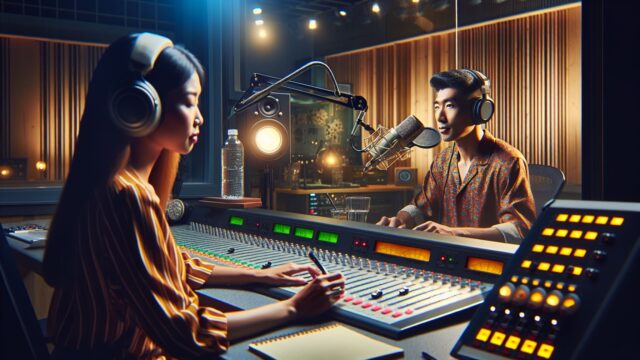
When it comes to being a successful radio personality, having a strong understanding of audio production is essential. Whether you are working in amateur radio or a professional broadcasting setting, the ability to produce high-quality audio content is crucial for engaging your audience and maintaining a loyal following. In this article, we will explore some key tips and techniques for mastering audio production for radio.
Introduction to Audio Production for Radio
Audio production for radio involves a range of tasks, from recording and editing sound to mixing and mastering the final product. It is important for radio personalities to have a basic understanding of these processes in order to create polished and professional content for their listeners.
In order to produce high-quality audio for radio, you will need to invest in some basic equipment, such as a good quality microphone, headphones, and a recording device or software. It is also important to create a quiet and acoustically treated space for recording, in order to minimize background noise and ensure clear audio quality.
Recording and Editing Sound
The first step in the audio production process is recording sound. Whether you are recording interviews, music, or voiceovers, it is important to ensure that your recording levels are set correctly to avoid distortion or clipping. It is also helpful to use a pop filter to reduce plosive sounds when recording vocals.
Once you have recorded your audio, the next step is editing. Editing involves trimming and rearranging audio clips, as well as adding effects and enhancing the sound quality. It is important to pay attention to details such as volume levels, transitions between clips, and the overall flow of the audio content.
Mixing and Mastering
After editing your audio clips, the next step is mixing and mastering. Mixing involves blending all of the audio elements together to create a cohesive and balanced sound. This includes adjusting levels, panning, and adding effects such as reverb or EQ.
Mastering is the final step in the audio production process, and involves enhancing the overall sound quality of the audio content. This includes making final adjustments to the volume levels, adding compression and limiting, and ensuring that the audio is optimized for playback on radio or other platforms.
Tips for Successful Audio Production
Here are some tips to help you master audio production for radio personalities:
-
Practice and Experiment: The more you practice recording, editing, mixing, and mastering audio, the better you will become. Don’t be afraid to experiment with different techniques and effects to find your unique style.
-
Listen Critically: When editing and mixing audio, it is important to listen critically and make adjustments as needed. Pay attention to details such as background noise, volume levels, and overall balance.
-
Use Quality Equipment: Invest in good quality equipment, such as a high-quality microphone and headphones, to ensure that your audio sounds professional and clear.
-
Seek Feedback: Don’t be afraid to seek feedback from colleagues, mentors, or listeners. Constructive feedback can help you improve your audio production skills and create better content.
Conclusion
Mastering audio production for radio personalities is a key skill that can help you create engaging and professional content for your audience. By understanding the basics of recording, editing, mixing, and mastering audio, you can create high-quality audio content that will keep your listeners coming back for more. Remember to practice, experiment, and seek feedback in order to continually improve your audio production skills. With dedication and perseverance, you can become a master of audio production for radio.