How Modern Audio Communities Are Adapting to Streaming-First Content Distribution

The way people listen to audio has changed a lot over the past decade. We used to have radio stations and music albums. Now we have podcasts, streaming platforms, audio social networks and on-demand content. As a result, the way people advertise on audio has also changed. The rise of video OTT and CTV advertising in Florida, for example, is part of this trend. People are listening to audio in ways and content creators and advertisers are changing their strategies.

The Streaming Revolution Changed Everything

It is funny to think about a time when radio was the way people listened to audio. Streaming platforms changed how people listen to audio and what they expect from it. Now people can listen to audio on demand, discover things with algorithms, and listen to playlists that are made just for them. They can even hear from the creators directly.

For communities like podcast networks or music groups, this change meant they had to adapt. They had to change how they worked with their audience. The people making the audio could now talk to their listeners, see how they were listening, and change their content quickly.

Video OTT and CTV Advertising Growing Media Market

Florida has always been a place for media, but streaming has made it even more complex. Video OTT and CTV advertising is a growing part of digital media spending. More and more people in Florida are using TVs, which are smart TVs, streaming devices and gaming consoles.

What is interesting for audio content creators is that audio and video platforms are coming together. Podcasts now often have videos. Audio brands are making video content to reach people on streaming platforms. The lines between audio and video are getting blurry. This is creating new opportunities.

Building Loyal Communities in a Fragmented Landscape

One of the important things audio communities have done in the streaming era is focused on building a community, not just getting a lot of listeners. It is not about how many people are listening but about how much they care. A podcast with a dedicated audience is often better than one with a big but passive audience.

Smart audio creators are building these communities by talking to their listeners, making content and having live events. They are creating ways for their listeners to connect with each other and with them. This is not a just nice thing to do, it is how you build a loyal audience that advertisers want to reach.

Monetization Models in the Streaming Era

The way of advertising on radio, where you just hoped your ad would reach the right people, is not used as much anymore. Now advertisers can target people and know exactly who is listening. This makes audio advertising more effective and allows creators to make more money.

Audio creators can also make money directly from their listeners through subscriptions, donations, and merchandise. This gives them control over their money and makes them less dependent on advertising.

The Road Ahead for Audio in a Streaming-First World

The streaming-era is not a challenge for audio communities, it is an opportunity. It has never been easier to start making content and sharing it with the world. The potential to build an audience around any topic is huge. The communities that will succeed are the ones that use data to make decisions, build relationships with their audience, and are able to adapt to changes.

Audio communities that understand streaming distribution and use opportunities like video OTT and CTV advertising are well-positioned to build a loyal audience in a competitive media environment. The future of audio is not about surviving, it is about thriving in the streaming revolution!


How Do Dogs Respond to Sound? Why Dogs Spook in Social Situations

You are walking your pup on a quiet day, and the sound of a skateboard suddenly echoes down the road. The next thing you know, your well-behaved dog will freeze, lower its tail, and take off in the other direction in a fluster. This is not an unusual experience for many dog owners. As human beings, we may not register the sound of the skateboard on the road, but the world is a very different place for dogs in terms of what they hear. The key to comprehending the experience of dogs is in understanding the hearing of dogs.

How Sensitive Are Dogs’ Ears Compared to Those of Humans?

But to fully understand why your dog responds to sounds that you don’t give two cents about, you first need to consider how hearing works for dogs. It should be known that the hearing a dog has is a vital function for it to be alerted to its prey or predators before it sights it in the distance. While humans hear waves that range from 20Hz to 20,000Hz, dogs hear waves that range from 40Hz to 60,000Hz.

This means that your dog is living in an acoustic landscape that is far more complex and confusing to your dog than your own. Your dog can hear the pitch of the hum of the computer and other electronics, the scrambling of the mouse behind the wall, and the blaring of the siren from miles away. When your dog reacts to “nothing,” they are usually reacting to something that is certainly audible to them but beyond the range of your own human hearing.

Common Causes of Spooking in Dogs

An environment in which your dog may react like this includes outdoor eating places like cafés or restaurants, as well as a park or a street fair. Also common is asking how your dog would behave in such a way when they were comfortable with the level of noise in your house but go into a panic from the rubbing of a chair on the floor at the restaurant. The answer may be in a phenomenon called trigger stacking.

Trigger stacking is what happens when a number of stressors accrue in connection with a particular time. In a busy café, the dog in the premise is dealing with unknown smells of other people, visual stimulus of moving vehicles, and physical restriction in the form of a harness. The dog is stressed despite appearing calm. Then, of course, is the final straw in the form of a sudden noise in the café, perhaps a clattered tray or a burst of laughter.

How Can You Help a Noise-Sensitive Dog?

When it comes to sound-related anxiety in dogs, it is imperative that one be proactively involved and patient. If a dog has sound-related anxiety, there is no better way of dealing with this problem than through desensitization and counter-conditioning. Using the right equipment is equally important, such as the best harness for a corgi

To begin this process, you must first begin exposing your dog to the feared sound at a very low level and also treat it to high-value rewards in terms of treats. It is also highly essential that you support your dog during a social encounter. If your dog seems tense, breathing heavily, and with his head scanning for possible danger, you should remove them from the situation before they physically and emotionally react to it. 

It would be a pity if your dog is scared of something, and you expose them to a situation where they have to “confront their fears.” A “safe room” can be created by you for your dog, which would be devoid of thunderstorms and fireworks, and white noise machines could be used to eliminate any fearful noises.

To Help Your Dog Find Its Calm

It is difficult having a noise-sensitive dog, but once you can put yourself in the shoes of the dog and see what is happening from the dog’s point of view, then the situation is completely different. It is not being obstinate or melodramatic; it is receiving a certain kind of stimulation that is highly biological. 

To rectify the situation and get the dog to feel more secure, the dog’s behavior in regard to hearing will give insight into how dogs react, and then the dog’s environment can be changed. Additionally, if the dog’s noise phobia impacts its life, then the help of a veterinary behaviorist can help!

Demystifying Radio Frequencies: How Audio is Transmitted for Musicians

Welcome aboard Musicians! Have you ever wondered about the science behind your music getting played on radios? This article aims to shed some light on the magic of radio frequencies and how audio is transmitted, all while keeping it simple and insightful.

Introduction

From rocking out to your favorite band on the FM band, radio frequencies play an integral role in our daily lives. They allow the seamless transmission of waves for communication, entertainment and so much more. If you’re a musician, you might also be knowing how radio airplay matters enormously for your visibility and success. So, here’s diving into the realm of ‘how’ music travels through the airwaves, all the way, from the studio to our stereos.

Conception of Soundwaves

Let’s start from the ground up.

The music we adore starts as sound waves. A sound wave is a type of pressure wave caused when something vibrates, creating a wave which then travels through a medium, such as air, and reaches our ears. Our brains interpret these waves as different sounds, depending on their frequency and amplitude.

Now, the big question is, how does this sound convert into radio waves? This puzzle leads us to the process of modulation.

The Art of Modulation

In simple terms, modulation is a process where the properties of a carrier wave – regularly a high-frequency sine wave – are varied in accordance with an input signal which, in this case, is the audio from your music.

Amplitude Modulation

Historically, Amplitude Modulation, or AM, was the earliest modulation method used to transmit voice by radio. It works by varying the strength (or amplitude) of the carrier wave in proportion to the waveform being sent. This waveform may correspond to sounds from a conversation or to the intensities of the different instruments in your music track.

Frequency Modulation

Another type of modulation that is commonly used, and most likely involved in broadcasting your latest track on the radio, is Frequency Modulation (FM). In contrast to AM, FM works by varying the frequency of the carrier wave proportionally to the waveform being sent.

The Journey of the Signal in Radio Transmission

Your song, now encapsulated in modulated radio waves, is ready to travel!

Radio stations have massive antennas that they use to push your music out to the world. The modulated signal is amplified and sent out through the antenna into free space. The transmitted signal propagates outward in all directions and can be picked up by any radio set tuned into the right frequency.

Broadcasting and Netcasting

It’s interesting to understand how both physical and internet radios work helming on same principles.

While traditional stations have a physical broadcasting infrastructure, internet or web radios use netcasting. Netcasting utilizes packet switching to send audio and video over the internet. This approach enables streaming which is analogous to broadcasting your music in principle but over a different media. Quite fascinating, right?

The Listener’s End

Let’s look at what happens at the listener’s end.

Imagine someone sitting in their room, miles away, tuning into the station playing your song. Their radio receiver gets the signal and demodulates it to derive the original audio information (your music). This is then amplified and sent to the speaker, giving them the pleasure of hearing your latest composition.

Conclusion

In a nutshell, the journey your music takes from you to your listeners is a fascinating process intertwining physics, engineering, and music. It starts with your music as a sound wave, gets turned into an electrical signal, modulated onto a radio wave, transmitted, received and then finally, transformed back into sound for the eager ears of your listeners.

Radio frequencies and their role in transmitting audio is fundamental to how we connect, interact, and share our creativity. So, the next time you hear your song on the radio, you’ll appreciate not just the melody, but also the intricate dance of science that brought it to life.

Being a musician is not just about creating enchanting melodies and harmonious tunes, it’s also about appreciating the magic of radio wave transmission that carries your artistry to your fans. Keep creating, keep broadcasting!

How To Secure Your Dream Job As A Radio Personality

Searching for an ideal job in radio broadcasting can be as daunting as it is exciting. The opportunities seem endless and the competition is fierce. As an aspiring radio personality, cracking the interview at a prestigious radio station is the first massive step towards an on-air future. Here’s a comprehensive guide on how to get hired as a radio personality.

Understand The Industry

Before starting your journey in radio broadcasting, it’s vital to understand the industry. Identify your interests, whether it’s television, FM radio, online podcasting, or satellite services. Recognize the industry’s current trends and technological advancements. Consider participating in broadcasting webinars or joining professional associations such as Society of Broadcast Engineers (SBE) and National Association of Broadcasters (NAB) to network with professionals and learn more about technological trends.

Equip Yourself With Necessary Skills

Audio Production: Technical skills remain integral in radio broadcasting. Develop your skills in manipulating sound software like Adobe Audition, Pro-Tools, or Audacity. Understanding audio editing, effects, layering, and other audio production aspects will give you an edge.

Voice and Articulation: Your voice is your tool, and your articulation is key to connecting with your audience. You can take specialized speech and voice modulation courses to hone these necessary skills.

Writing Skills: As a radio personality, you’re required to script your shows or at least a large part of them. Strong writing skills are paramount to communicate effectively to your listeners.

Build A Compelling Demo

A demonstration reel showcasing your talent often acts as resume for radio personalities. It should include a mix of your best audio bites, interviews, and links to your live radio stints if possible. Pay attention to conciseness, audio quality, and diversity in content while developing your demo.

Gain Relevant Experience

Try to gain experience through internships or volunteering at student radio stations or local broadcasting channels. This not only gives you practical exposure but also connects you with industry professionals.

Prepare For The Interview

Once you land an interview at a radio station, it’s crucial to invest time in preparing. Go through your resume and demo thoroughly, carry backup copies, research about the radio station, the shows they host, and their audience.

Make sure to show enthusiasm and passion for the profession, which would align you with the station’s culture and values. Showcase your technical knowledge, but also highlight characteristics like adaptability, creativity, and curiosity.

Post-Interview Follow Up

Post-interview, don’t forget to send a thank you note to the interviewer and the team. Show your gratitude and reiterate your interest in the job. If you don’t hear back soon enough, don’t hesitate to follow up. Keeping the conversation ongoing may increase your chances.

Grow With The Job

Once you land the job, always strive to learn more. This industry is ever-evolving with technological advancements in ways of delivering content, so never allow complacency to set in.

Conclusion

Being a radio personality can be enthralling. It gives you the platform to connect with an array of audience and share important narratives. However, breaking the barrier and creating a niche for yourself in this industry requires purposeful planning, unwavering passion and relentless effort in mastering the craft. This guide can hopefully act as a catalyst in your journey to secure an esteemed position as a radio personality.

Do People Still Listen to the Radio When Driving?

Many individuals consider radio’s relevance in modern daily life when driving. The emergence of digital music platforms and podcasts presents traditional radio with unprecedented challenges. However, radio systems remain a fundamental feature in numerous American automobiles. This blog post focuses on the examination of radio listening patterns among drivers.

If this sounds interesting to you, let’s dive in without further delay. 

The Popularity of Radio

There are numerous reasons why radio continues to thrive. According to studies, around 82% of Americans listen to the radio more than once in a week. This indicates a significant number of drivers are tuning into the radio. Many people like the spontaneity of live radio. Some like the thrill of discovering new songs along with what is happening locally, and lively discussions are fun. 

The Role of Radio in Daily Commutes

The function of radio becomes essential during everyday travel periods. Several drivers find it to be both an entertainment hub and an informational resource. Morning shows typically deliver traffic updates alongside weather forecasts while featuring expert interviews. Consequently, this essential information facilitates busy road navigation. Therefore, radio offers a convenient way to stay informed while on the go.

The Variety of Content

Radio maintains its relevance due to the broad range of content it offers, and services such as BMW repair Arrowhead ensure the radio remains in top condition. Broadcast centers offer a range of musical genres, including country and hip-hop. Talk radio explores numerous subjects, including politics, health, and technology. As a result, the diverse selection guarantees every individual finds something to their taste. Moreover, local stations enable listeners to experience a sense of community connection.

Radio and Technology

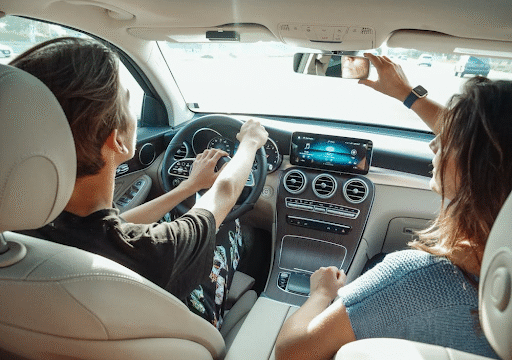
Technology has led to the possible evolution of the radio. Today, most new cars have advanced infotainment systems through which it is possible to access the radio easily. Additionally, apps can be downloaded to these devices, allowing drivers to stream their favorite shows or podcasts. Hence, radio contact is more accessible than ever when drivers are on the move. 

The Future of Radio

Radio must evolve in response to shifting audience tastes. The migration of audiences to digital platforms forces traditional radio stations to develop new innovations. Through social media platforms, artists can interact with their audiences while simultaneously advancing their content promotion efforts. The introduction of podcasts and on-demand content serves as a potential magnet for younger audiences. As a result, the adoption of technological advancements will enable radio to sustain its importance throughout future years.

Summary

Numerous Americans still heavily rely on radio as a fundamental component of their driving experience. The modern system delivers various entertainment options while providing informational content and fostering communal bonds. Radio must adapt in response to technological advancements to maintain its relevance. At present, drivers maintain their radio connections while relishing their travels. 

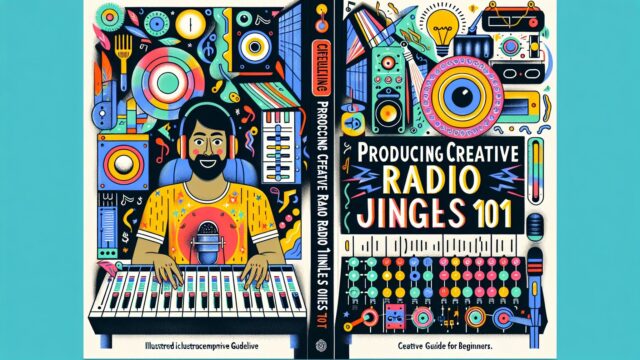
Producing Creative Radio Jingles 101: A Comprehensive Guide for the Beginners

Jingles have been an active part of the radio landscape for decades. These catchy tunes are often used to advertise a product or service, and in some instances, they come to be as recognizable as the product itself. If you’re a young man eager to jump-start your creative journey in amateur radio, then producing 30-second radio spots is for you. But first, you have to understand the basics of producing a radio jingle. This guide is here to get you started.

Understanding Radio Jingles and Their Importance

Radio jingles are short, musically-oriented compositions designed to convey a specific message or a unique sell proposition, punctuated with repetition to ensure they stick. These 30-second radio spots can enhance a product’s appeal, thus becoming an effective marketing tool.

In the broad spectrum of marketing, the auditory stimuli offered by radio jingles can effectively capture the audience’s attention, instilling an unforgettable impression about the brand. The radio is a unique medium, given that listeners often partake in other activities while listening. As a result, catchy jingles in amateur radio provide a brilliant way to break through the daily clutter of noise and reach the audience.

Essential Elements of a Radio Jingle

Every great jingle possesses key elements that make it unforgettable. First, your jingle should be unique and memorable. This could mean using an original tune or a distinct voiceover that listeners can associate with your brand.

Second, your jingle should be simple. The audience should be able to grasp the message quickly and effortlessly. Simplicity enhances memory retention, which is crucial if you want your listeners to recall your 30-second radio spot next time they encounter your brand.

Lastly, your jingle should communicate the central message or unique selling proposition of your product/service unmistakably. Lyrics should be creatively woven around this central message to create lasting impressions.

Basics of Producing a Radio Jingle

Here is a simple step-by-step guide to take you through basic jingle production:

  1. Start with a Concept: Develop a clear concept for your jingle that summarizes the brand’s value proposition. Invest quality time into brainstorming and generating ideas around your product/service.

  2. Craft Your Lyrics: Once your concept is clear, start penning down lyrics that succinctly articulate your concept. The lyrics should be catchy, straightforward, and aimed at highlighting the distinctive characteristics of your brand.

  3. Compose Your Music: With the lyrics ready, turn your focus to the tune. This could be an original score or an adaptation of an existing tune (ensure you avoid copyright issues). The music should set the appropriate mood for your message and, of course, be catchy.

  4. Gather Your Equipment: For amateurs, a computer, a quality microphone and a digital audio workstation (DAW) software will suffice for jingle production. There are a plethora of DAW options available; your choice should align with your budget and technical expertise.

  5. Perform and Record: With your lyrics, music, and equipment set, the next step is performing and recording the jingle. Depending upon your skills, you can either perform all the elements (vocals and music) yourself, or hire professionals.

  6. Edit and Mix: After recording, use your DAW software to edit out errors, adjust volumes, and add sound effects as necessary. This stage a crucial juncture in ensuring your final product is polished and professional.

  7. Test: Once your jingle is complete, test it with a small audience to get feedback. Make any necessary tweaks prior to airing.

Wrapping Up

Producing a catchy radio jingle, especially in the field of amateur radio, requires a fusion of creativity, branding insight, and technical expertise. These 30-second radio spots could become the defining identity of the product or service they promote, making them pivotal in any marketing strategy.

Remember, practicing and refining your craft will only lead to improvement over time. Start small, keep learning and soon, you could be the creator of the next unforgettable radio jingle.

So You Think Radio Advertising Is Old School? Think Again!

If you take a quick spin around the Twitter sphere, you’ll notice snide comments from Gen Z-ers poking fun at “ancient” technology like VCRs, flip phones, and yes – radios. But before we can say, “OK, Boomer,” let me remind you: Radio advertising is far from dead, and can still pack a punch for your small business.

The Underestimated Power of Radio Advertising

In the fast-paced world of social media, radio advertising can seem, at first glance, comparable to a dinosaur in a world of drones. While radio listenership may appear to be dwindling compared to the rise of Spotify, Apple Music, and Pandora, don’t be too quick to dismiss our seasoned friend.

Local radio stations still wield an impressive amount of power, primarily due to their intimate connection with the local community. So, if you’re a small business targeting a Hill Valley audience, it might just make more sense to sponsor the Weather and Traffic update on “Hot 103” rather than shooting a SpaceX satellite into orbit.

Who Still Listens to the Radio?

“Who needs radio when I have my phone’s playlist?” I hear you, digitally savvy contemporary folk! Yet, despite the boisterous entry of music streaming platforms, amateur radio retains a loyal listener base – especially in smaller communities.

These local radio enthusiasts, parked at the red light on Baker Street at 7.30 am, listen to the soothing voice of DJ Sarah Spindle, reporting the usual bottleneck on the highway. These are daily commuters, parents on the school run, working professionals – a.k.a. your prospective customers!

Making Every Second Count: The Magic of 30-Second Radio Spots

Now that we’ve clarified radios aren’t just paperweights for grandparents, let’s discuss how you can capitalize on this. Say hello to the 30-second radio spot!

Think of them as the Haikus of the advertising world — incredibly short, yet potent, conveying a world of meaning in a matter of seconds. The art lies in succinctly capturing the essence of your business, differentiated enough to make listeners look away from their Twitter feed for a moment.

Designing these 30-second spots can feel like preparing for a speed-dating event: You have just half a minute to charm your customers into saying yes to a follow-up date — minus the romantic dinner, of course.

Amateur Radio: Your Gateway to Local Market Domination

Training your advertising eyes on local communities means you need a message delivery medium that’s rooted firmly in that soil. Enter, amateur radio. Now, I can sense some of you rolling your eyes at the ‘amateur’ part. Allow me to explain.

‘Amateur’ in this context doesn’t mean the station is run by folks who don’t know what they’re doing but rather, that they’re not part of a commercial entity. These stations are exceptionally in tune (mind that pun!) with the local scene, which makes them an overlooked advertising goldmine for local businesses.

By weaving your advertising message into the friendly chatter and community updates, you’ll get your brand firmly embedded within the daily routines of your potential customers.

Don’t Play the Dead Air Game

While effective and potentially lucrative, radio advertising does come with its share of pitfalls. One of the deadliest? Dead air. It’s like hosting a party and suddenly stopping the music for no reason. Cringe-worthy, isn’t it?

So, actively avoid dead air in your radio spots. Pack those precious 30 seconds with appealing content and upbeat music. But here’s where the tightrope walk begins—you don’t want an overly crowded spot that overwhelms listeners, resulting in your message being lost amongst the noise.

Conclusion: Embracing the Power of Waves

In the immortal words of the ’80s hair-metal band, Europe, “It’s the final countdown.” Or rather, it’s the 30-second countdown. In a world that’s spinning rapidly towards digital domination, there’s still a robust, pulsating life for radio advertising.

Through a blend of amateur radio advertising and well-crafted 30-second radio spots, your local business can attain a resonance in your community, unmatched by any high-pitched Facebook ad campaign.

Radio isn’t the cranky old grandpa in the world of advertising; it’s more like that cool uncle who’s been around forever but still knows how to have a good time. Go ahead, give it a shot. After all, the airwaves are waiting for your voice!

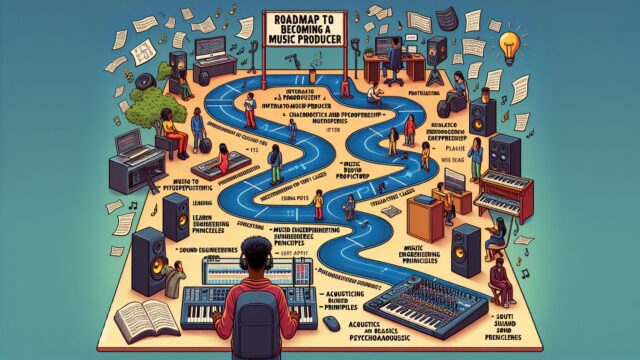
Blueprint Your Path to Radio: Essential College Classes for Aspiring Music Producers

Success in the radio industry, specifically for music producers, entails agility, adaptability, and a well-rounded educational foundation. This includes an understanding of the fundamentals of music, business and communication augmented by the technology of broadcasting and podcasting.

This article will guide you in plotting a robust college curriculum that can act as stepping stones to a fulfilling radio career in the realm of music production. By focusing on key subjects and skills, you can shape your college experience to serve as a firm stepping stone to your desired career trajectory.

Music Theory

Understanding music is essential to the profession of music production. A solid foundation in music theory will provide you with the competency to identify and differentiate between genres, patterns, and styles that define music trends worldwide.

Courses in music theory help to hone personal taste and the ability to discern what makes a particular track resonate with an audience. This includes understanding elements such as rhythm, melody, harmony, structure and texture.

Communication Studies

Communication plays a pivotal role in the radio realm. Courses in this field will assist you in polishing the soft skills required to interact effectively with artists, executives, listeners, advertisers, and other relevant entities.

Courses in mass communication will enlighten you about the various models of communication, media effects, and audience response, while courses like public speaking can enhance your articulation, presentation, and persuasion skills. Knowledge of multiple languages can also be beneficial to communicate content effectively across different demographics.

Business and Marketing

Music is a dynamic, evolving industry and it operates in tandem with the business world. A grounding in business and marketing could become your north star in an erratic, ever-changing industry.

Courses in business administration, marketing, promotion, and advertising can help you maneuver the complex and competitive music industry effectively. Understanding how to advertise on radio stations, converge media platforms or how to handle PR crises are only a few of the many skills you can learn.

Broadcasting and Podcasting

Courses in broadcasting, recording, and podcasting technologies teach you how to channel a piece of music from the studio to the audience’s ears. They provide insight into the practical side of the radio industry, including station operation, programming, and audio production.

Considering the advent of the digital age, modern radios aren’t just about AM and FM anymore. The surge in podcasting has opened up new possibilities for music producers. Understanding this platform can help break away from the constraints of traditional radio formats to experiment with fresh content delivery methods.

Internships And Practical Exposure

All your theoretical knowledge would hold no value without its practical application. Therefore, internships or work-study programs at radio stations, recording studios, or with music producers should be a vital part of your academic timeline. Not only does it give a sneak peek inside the industry operations, but it also allows you to network with professionals, which could potentially open up job opportunities post-graduation.

Conclusion

Radio remains a powerful, influential medium in an era dominated by digital and social media. As such, the role of music producers is not just about selecting and arranging music but also about understanding evolving listener preferences, utilizing technology optimally, and navigating the business landscape shrewdly.

Therefore, when planning your college studies, focus on diverse but interrelated subjects to build a dynamic skill set. This broad-based education, coupled with practical industry exposure, can significantly increase your chances of breaking into, and more importantly, thriving in the music radio industry.

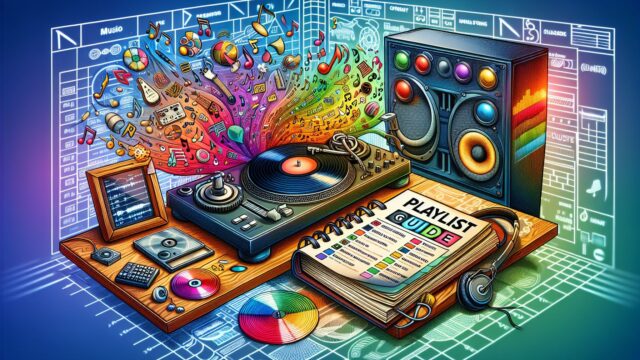
Spinning Tunes Like a Pro: The Dizzyingly Fun Guide to Creating a Radio Playlist!

1. Introduction: The Art of Playlist Science

Hello, to all you lyrical scientists, sonic explorers and potential meshers of sick beats. Welcome to the incredibly mediocre guide on how to create a playlist for your radio station, written by your garden-variety DJ who’s been through more earworms than he can count. Buckle up, folks. Or don’t, there aren’t any age restrictions here and frankly, we think safety is boring.

2. Feeling the Vibrations: The Importance of Audience Perception

Before we dive in, it’s important to remember our prime directive: catering to our beloved listeners. What kind of auditory adventure do they prefer? Are they into smooth jazz, energetic pop music, country tunes, or all of the above? Try to imagine your listeners as a dancing crowd. You wouldn’t drop death metal at a nursery school reunion, right? Or perhaps, you may. That’s a completely different level of chaos and we briefly commend your audacity before politely requesting that you never do that.

3. DJ Strategy 101: Story Design & Sonic Landscapes

After you’ve pegged your audience (thanks for not actually using real pegs; we’re big on humane treatment), the next step is strategic. A playlist is like a novel. A deeply emotional, soul-stirring, odds-defying novel that, let’s be honest, you didn’t read even when it was assigned reading in school – but humor the analogy please.

Story design in sound is called programme clock. The first song should pump your listeners’ morning coffee right into their bloodstream and the last song should tuck them in for a good night’s slumber. You need peaks of energy, valleys of calm, surprises at every corner, and a dollop of comfort of the familiar in there for good measure. Remember, too many surprises and the novelty wears off. Too few, and it’s a yawn fest.

4. Space and Sound: Timing Is Key

And speaking of time, let’s talk about timing. In a world where our attention spans would make goldfish look like academic scholars, we need to keep the bounce ticking. Spread new songs out with a healthy buffer of familiar ones. Remember, your listeners are bobbing on the waves of your sound, it’s a good idea to give them a moment to digest one set of tune before you slam them with the next.

5. Becoming a Mixing Whiz: Mastering Transitions

You’ve sorted your songs, timed the intervals, what now? The moment of mixing them up arrives. This is where magic should happen. Or in my case, where I spill coffee on the mixing desk and hope it contributes to a new effect. But moving on, transitions are crucial in creating that perfect ebb and flow of energy through the playlist. Remember, it’s the spaces between the sentences in a story that say the most.

6. A Habit Called Tweaking: When Headphone Tantrums Occur

After you’ve dropped your sizzling hot playlist, what remains is the fine art of tweaking. Maybe your audience didn’t yell hooray for indie rock tunes at 5 AM or country music in the middle of afternoon. It’s time to tune out the heartache and strut back to your mixing magic to tweak, drop and change.

7. Conclusion: A Playlisted Wrap Up

And voila! That’s a crash course on creating a radio playlist – no one said being a disc jockey was going to be easy! Remember, whatever our role in this auditory ecosystem, we make life a little less distracted, a little more melodious, one beat at a time. So, legends in making, imbibe the rhythmic wisdom bestowed and create the harmonious symphony your listeners crave.

Till the next off-key note, keep those grooves smooth, and never let the music stop!

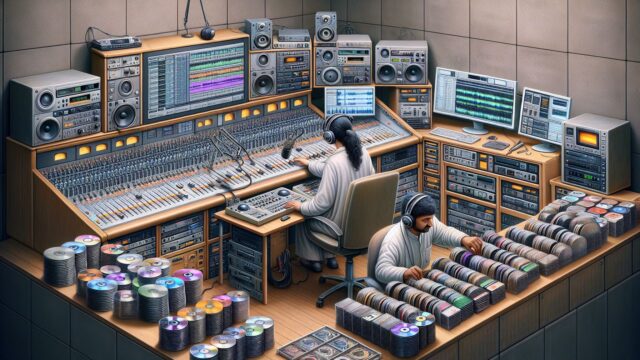
Enter the Engineering Booth: Exploring the Technology Used in Radio Production for Disk Jockeys

If there’s one industry that’s continually shaped and transformed by technological advancements, it’s the dynamic world of radio broadcasting. This article analyzes the key technological components of modern-day radio production that enable Disk Jockeys, commonly known as DJs, to entertain, engage, and captivate audiences worldwide.

The Rise of Automation in Radio Production

One of the most influential technological advancements in radio production is the development of automation software. Automation, essential in the broadcasting industry, allows DJs to control the playout of pre-recorded music, advertisements, and other audio content, reducing human intervention to a minimum.

High-end software suites like RCS Zetta, WideOrbit, and ENCO DAD offer comprehensive automation capabilities, enabling a seamless flow of content, accurate timing, and error-free broadcasts. Advanced algorithms also enable predictive behavior, adjusting the playlist to meet targeted durations or to maintain consistency in programming.

Digital Audio Workstations (DAW)

Audio production in the world of radio has evolved dramatically with the advent of Digital Audio Workstations (DAWs). DAWs provide DJs with powerful tools for audio recording, editing, and mastering. Applications such as Pro Tools, Ableton Live, and Logic Pro X have revolutionized audio production, offering incomparable speed, flexibility, and quality compared to older analog techniques.

Importantly, software plugins for DAWs can emulate the warm, rich sound of classic analog devices, giving DJs incredible creative freedom. The power to manipulate audio characteristics like tone, tempo, and pitch enables DJs to create unique signature sounds, contributing significantly to a radio station’s brand identity.

Mixing Consoles

No DJ booth would be complete without a professional-grade audio mixing console. These devices serve as the nerve center for radio productions, allowing DJs to control audio levels, route signals, and blend multiple audio sources into a harmonious whole.

Modern mixing consoles like the Axia iQx AoIP and the Yamaha Rivage PM10 offer advanced features like motorized faders, onboard digital effects, and multi-touchscreen interfaces. Integrating these consoles with DAWs and automation systems enables an unprecedented level of control and finesse in managing live and pre-recorded content.

Broadcasting Processors

To ensure that radio broadcasts always sound their best, professional DJs use broadcasting processors. These advanced hardware units condition the audio signal before it heads out to the transmitter. They regulate the overall volume, enhance quiet passages, suppress loud ones, and apply equalization to create a smooth, compelling sound that can hold its own in any listening environment.

Innovations in Transmission

Today, the majority of commercial radio stations broadcast digitally using HD Radio or DAB+ technology. Digital broadcasting offers benefits like superior audio quality, reduced noise and interference, and the ability to transmit additional information like song titles and artist names. Moreover, Internet Radio offers DJs an opportunity to reach a global audience.

Conclusion: The Future of Radio

Modern radio may be miles away from the days of turntables and reel-to-reel tapes, but at its core lies the same goal: sharing music, disseminating information, and telling stories that connect with listeners. The rapidly evolving technology in radio production only amplifies these capacities, offering DJs ever-more sophisticated tools to refine their craft and broaden their reach.

In an increasingly digital and interconnected world, the role of the DJ remains as relevant as ever. The tools and technologies at their disposal ensure that radio will continue to evolve, adapt, and thrive in the years to come. The magic of radio has always been, and continues to be, a dialog between the DJ and the listener, a sentiment shared across the world whenever a radio station is tuned in.