The Road to Becoming a Radio DJ for College Students

Are you a college student who has always dreamt of being the voice behind the microphone, spinning your favorite tunes for listeners all across the airwaves? Becoming a radio DJ is a rewarding and exciting career path, but it takes more than just a passion for music to make it in the broadcasting world. In this article, we will explore what it takes to become a radio DJ, with a specific focus on college students looking to break into the industry.

Introduction to the World of Radio Broadcasting

Radio broadcasting has been a staple of entertainment and information for decades, providing a platform for DJs to connect with audiences through music, news, and conversation. Being a successful radio DJ requires a unique combination of skills, including a love for music, excellent communication abilities, and technical know-how. For college students looking to pursue a career in radio broadcasting, it is essential to understand the ins and outs of the industry and what it takes to succeed in this competitive field.

Skills and Qualifications Required

While a formal education is not always necessary to become a radio DJ, having a degree in broadcasting, communications, or a related field can be beneficial. College students who are interested in pursuing a career in radio broadcasting should consider taking courses in audio production, journalism, and public speaking to develop the necessary skills for the job. Additionally, gaining experience through internships at local radio stations or college radio shows can help aspiring DJs build a portfolio and make connections in the industry.

In addition to formal education and experience, radio DJs must have strong communication skills, a good ear for music, and the ability to engage listeners through conversation and on-air banter. Successful DJs are also knowledgeable about music trends, popular artists, and current events, allowing them to create engaging and relevant content for their audience.

Technical Skills and Equipment

Radio broadcasting requires a good understanding of audio equipment, software, and production techniques. College students interested in becoming radio DJs should familiarize themselves with sound editing software, mixing boards, and recording equipment to create high-quality broadcasts. Additionally, DJs should be comfortable with using microphones, headphones, and other audio gear to ensure a smooth and professional on-air performance.

It is also important for radio DJs to have a good understanding of FCC regulations and broadcasting standards to ensure compliance with legal requirements. Familiarizing yourself with industry guidelines and best practices will help you navigate the world of radio broadcasting and avoid potential pitfalls that could harm your career.

Building Your Personal Brand and Audience

In today’s digital age, radio DJs must also be adept at building their personal brand and engaging with their audience through social media and other online platforms. College students looking to become radio DJs should create a strong online presence through websites, blogs, and social media profiles to showcase their personality and connect with listeners outside of the airwaves.

Promoting yourself and your show through social media can help you attract new listeners and expand your audience, giving you the opportunity to reach a wider demographic and grow your fan base. Additionally, collaborating with other DJs, musicians, and industry professionals can help you build connections and network within the radio broadcasting community.

Conclusion

Becoming a radio DJ is a challenging but rewarding career path for college students with a passion for music and broadcasting. By developing the necessary skills, gaining experience, and building your personal brand, you can set yourself up for success in the competitive world of radio broadcasting. Whether you are interested in hosting your own show, creating podcasts, or working behind the scenes in audio production, pursuing a career in radio broadcasting can open up a world of opportunities and experiences.

So, if you are a college student with dreams of becoming a radio DJ, start honing your skills, gaining experience, and building your personal brand today. Who knows, maybe you’ll be the next big voice on the airwaves, captivating audiences with your music and charm. Tune in to Radio Station X to listen to some of the best DJs in the industry and get inspired to start your own journey into the world of radio broadcasting.
The Technology Behind Radio Production Studios

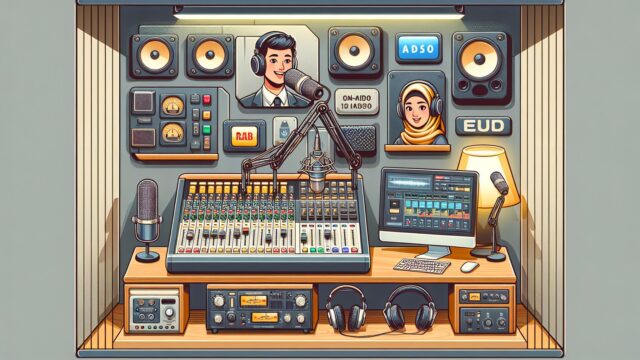
Radio production studios are the heart of any successful radio station, where all the magic happens behind the scenes. As a studio owner, it’s crucial to have a solid understanding of the technology that powers your operation. From mixing consoles to audio processors, each piece of equipment plays a key role in creating high-quality broadcasts. In this article, we will delve into the technology used in radio production studios and how it can enhance your overall production quality.

Mixing Consoles

One of the most essential pieces of equipment in any radio production studio is the mixing console. This central hub allows producers to control and mix multiple audio sources, such as microphones, music tracks, and sound effects. Modern mixing consoles come equipped with features like faders, EQ controls, and effects processing, giving producers the ability to fine-tune their sound. With digital mixing consoles, studio owners can save and recall presets, making it easier to maintain consistent audio quality across different shows.

Audio Processors

Audio processors are another critical component of a radio production studio. These devices help optimize the audio signal, ensuring that broadcasts sound clear and balanced. Compressors, limiters, and equalizers are common types of audio processors used in radio production. Compressors help even out the dynamic range of audio signals, while limiters prevent audio from clipping and distorting. Equalizers allow producers to adjust the frequency response of their audio, enhancing clarity and definition.

Digital Audio Workstations (DAWs)

Digital Audio Workstations, or DAWs, are software applications that allow producers to record, edit, and mix audio tracks. DAWs provide a flexible and intuitive platform for creating radio content, with features like multitrack recording, real-time editing, and plugin support. Popular DAWs like Pro Tools, Adobe Audition, and Audacity offer a range of tools for enhancing audio quality and production efficiency. Integrating a DAW into your radio production workflow can streamline the editing process and help you achieve professional results.

Radio Automation Systems

Radio automation systems automate the scheduling and playback of audio content, allowing producers to pre-program their broadcasts and playlists. These systems can handle tasks like song rotation, commercial insertion, and time signaling, freeing up producers to focus on creating engaging content. Radio automation systems also provide advanced features like live assist modes, logging capabilities, and remote access, giving studio owners greater control over their broadcasts. Integrating a radio automation system into your studio can increase efficiency and ensure a seamless on-air experience.

Studio Monitors

Studio monitors are specialized speakers designed for accurate audio reproduction in a studio environment. These speakers provide producers with a clear and detailed listening experience, allowing them to monitor and evaluate their mixes with precision. Studio monitors come in various configurations, including near-field and midfield monitors, each offering different advantages for critical listening. Investing in high-quality studio monitors can help studio owners identify and correct audio issues before they reach the audience.

Conclusion

In conclusion, the technology used in radio production studios plays a vital role in delivering high-quality broadcasts. Mixing consoles, audio processors, DAWs, radio automation systems, and studio monitors all contribute to the overall production quality and efficiency. Studio owners should stay informed about the latest advancements in audio technology and invest in equipment that suits their specific needs. By understanding and leveraging the power of technology in radio production, studio owners can elevate the listener experience and stay ahead in an ever-evolving industry.

The Best College Classes to Take for Getting Into the Radio Business

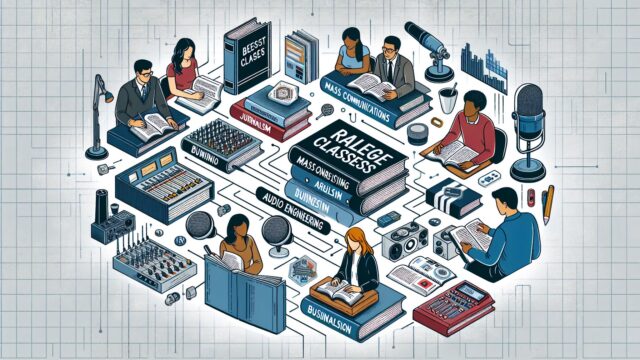
If you have dreams of breaking into the radio business and becoming a successful studio owner, you’ll need to start by laying a solid educational foundation. While a degree in radio broadcasting is not always necessary, taking the right classes in college can give you the skills and knowledge you need to succeed in this competitive industry. In this blog post, we will outline some of the best classes you should consider taking to help you achieve your goals.

Introduction to Radio Production

One of the most important classes you can take in college if you want to work in the radio industry is an introduction to radio production. This course will teach you the basics of recording, editing, and producing audio content for radio and other media platforms. You will learn how to use industry-standard software and equipment, as well as how to create engaging and compelling content that will keep listeners coming back for more.

Audio Engineering

Another essential class to consider taking is audio engineering. This course will teach you the technical skills you need to operate the equipment used in radio studios, including soundboards, microphones, and recording devices. You will also learn about acoustics, sound design, and mixing techniques, all of which are crucial for producing high-quality audio content. By mastering the art of audio engineering, you will be better equipped to create professional-sounding radio broadcasts that will attract a larger audience.

Marketing and Promotion

In addition to technical skills, it’s also important to have a solid understanding of marketing and promotion. Taking classes in these subjects will help you learn how to effectively promote your radio station or podcast, attract new listeners, and build a loyal audience. You will also learn about branding, advertising, and social media strategies that can help you grow your radio business and increase your reach.

Business Management

As a studio owner, you will need to have a good grasp of business management principles in order to run your operation successfully. Taking classes in business management will help you learn about budgeting, financial planning, human resources, and other essential aspects of running a business. You will also learn about the legal and ethical considerations that come with owning and operating a radio station, which will help you avoid costly mistakes and ensure the long-term success of your business.

Conclusion

In conclusion, if you want to get into the radio business and become a successful studio owner, it’s important to take the right classes in college. By focusing on classes in radio production, audio engineering, marketing and promotion, and business management, you will be well-prepared to launch and grow your radio business. With the right education and skills, you can turn your passion for radio into a rewarding and lucrative career.

[Listen to this 30-second radio spot about the importance of taking the right classes in college for getting into the radio business]

[Podcast snippet: “In this week’s episode, we dive into the best college classes for aspiring radio studio owners. Tune in to learn more about how education can help you achieve your radio business goals.”]

The Benefits of Radio Advertising for Artists

In today’s digital age, it may seem like radio advertising has taken a back seat to online marketing strategies. However, for artists looking to reach a broad audience and make a lasting impression, radio advertising can be a powerful tool. When used strategically, radio advertising can help artists increase their visibility, connect with fans, and ultimately boost their careers. In this blog post, we will explore the benefits of radio advertising for artists and why it should be included in their promotional strategies.

Increased Visibility

Radio advertising allows artists to reach a wide audience that may not be active on social media or other online platforms. By broadcasting their music and upcoming events on the airwaves, artists can capture the attention of listeners who may not have discovered them otherwise. Additionally, radio ads can be played at peak times when listeners are most tuned in, maximizing the artist’s exposure.

Podcasting has become increasingly popular in recent years, providing artists with a unique opportunity to connect with fans on a more intimate level. By creating a podcast that features their music, interviews, and behind-the-scenes content, artists can build a loyal following and generate buzz around their work.

Listen to this podcast jingle to experience the power of audio advertising: [Podcast Jingle]

Engaging Audiences

One of the key benefits of radio advertising is its ability to engage audiences through audio storytelling. By crafting compelling ads that highlight their music and personal brand, artists can create a memorable experience for listeners. Whether it’s a catchy jingle or a heartfelt testimonial, radio ads can leave a lasting impression that resonates with fans long after they’ve tuned out.

Furthermore, artists can leverage radio advertising to promote upcoming events, releases, and collaborations. By sharing exclusive content and exciting announcements through radio ads, artists can generate excitement and anticipation among their fan base.

Here’s an audio jingle to grab your audience’s attention: [Jingle]

Targeted Marketing

Radio advertising allows artists to target specific demographics and regions, ensuring that their message reaches the right audience. By selecting the right radio stations and time slots, artists can tailor their ads to resonate with listeners who are most likely to appreciate their music and support their career.

Additionally, artists can track the performance of their radio ads and adjust their marketing strategies accordingly. By monitoring listener feedback, engagement rates, and sales conversions, artists can optimize their advertising campaigns to achieve the best results.

Conclusion

In conclusion, radio advertising offers artists a unique opportunity to increase their visibility, engage audiences, and target their marketing efforts effectively. By incorporating radio advertising into their promotional strategies, artists can reach a broader audience, connect with fans on a personal level, and ultimately elevate their careers to new heights.

So, if you’re an artist looking to take your music career to the next level, don’t underestimate the power of radio advertising. With the right messaging, timing, and targeting, radio ads can help you stand out in a crowded market and make a lasting impact on listeners.

Listen to this final jingle to leave a lasting impression on your audience: [Final Jingle]

Remember, radio advertising may be an old-school marketing tactic, but when used strategically, it can be a game-changer for artists ready to make their mark in the music industry.

What to Expect Working in the Radio Business for Marketing Departments

In the fast-paced world of marketing, radio has remained a steadfast and reliable medium for reaching target audiences. For marketing departments looking to leverage the power of radio to promote their products and services, there are a few things to keep in mind. Working in the radio business can be an exciting and rewarding experience, but it also comes with its own set of challenges and opportunities.

Introduction to the Radio Business

Radio advertising is a powerful tool for marketers to reach a wide audience quickly and effectively. Whether it’s promoting a new product launch or generating buzz around a special event, radio has the ability to capture the attention of listeners and drive them to action. For marketing departments looking to maximize their advertising budget, radio offers a cost-effective and targeted way to reach potential customers.

The Technical Side of Radio Advertising

When working in the radio business, marketing departments will have to familiarize themselves with the technical aspects of producing and airing advertisements. This includes understanding the different types of ad formats, such as live reads, produced spots, and sponsorships, as well as the technical requirements for each. Marketing professionals will also need to work closely with radio production teams to ensure that their advertisements are produced to the highest standards and meet the guidelines set forth by the Federal Communications Commission (FCC).

Leveraging Music Production

Music has always been a powerful tool for capturing the attention of listeners and enhancing the impact of radio advertisements. Marketing departments can work with radio stations to incorporate music production into their ads, creating catchy jingles or using popular songs to create a memorable and engaging commercial. By leveraging music production, marketers can create a lasting impression on listeners and increase brand recognition.

Advertise on Radio Stations

Once the ads have been produced, marketing departments will need to work closely with radio stations to schedule and air their advertisements. This includes negotiating rates, determining the best times to air the ads, and tracking the effectiveness of each ad campaign. By working closely with radio stations, marketers can ensure that their ads reach the right audience at the right time and generate the desired results.

Conclusion

Working in the radio business for marketing departments can be a challenging but rewarding experience. By familiarizing themselves with the technical aspects of radio advertising, leveraging music production, and working closely with radio stations, marketers can create impactful and effective ad campaigns that drive results. Radio advertising remains a powerful tool for reaching target audiences and promoting products and services, making it an essential component of any marketing strategy. With the right approach and a creative mindset, marketing departments can harness the power of radio to achieve their advertising goals and connect with customers in a meaningful way.

So You Want to be a Radio DJ, Huh?

Ah, the glamorous life of a radio DJ. The late nights, the early mornings, the constant stream of coffee to keep you alert and on your A-game. For young men looking to break into the radio business, there’s no shortage of excitement and challenges that come with the territory. But before you take the plunge into this wild world of radio, here are a few things you can expect as you embark on this crazy ride.

Introduction

As a young man entering the radio business, you might have visions of being the next Howard Stern or Ryan Seacrest. While those dreams are definitely attainable, the road to radio stardom is not always a smooth one. From long hours in the studio to dealing with quirky co-workers and demanding listeners, working in radio can be both rewarding and frustrating. But for those who have a passion for music, entertainment, and connecting with their audience, the radio business can be the ultimate playground.

Body

The Early Morning Grind

One thing you can expect as a young man working in radio is early mornings. Like, really early mornings. Forget about hitting the snooze button and rolling out of bed at the last minute. Radio DJs often have to be in the studio before the crack of dawn to prepare for their morning show. But hey, at least you’ll have the perfect excuse for being a coffee addict.

[Sound of an alarm clock ringing]

Dealing with Difficult Listeners

Another thing you can expect working in the radio business is dealing with difficult listeners. Whether it’s a disgruntled caller who didn’t win a contest or someone who just wants to argue about your taste in music, you’ll have to develop a thick skin and a quick wit to handle these situations. But hey, it’s all part of the job and can make for some entertaining on-air banter.

[30 second radio spot: “Are you tired of hearing the same old songs on the radio? Tune in to our station for a fresh playlist that will keep you grooving all day long!”]

Cracking Jokes in the Studio

One of the perks of working in radio is being able to let your personality shine through on the air. Whether it’s cracking jokes, sharing personal stories, or engaging with your audience in a fun and relatable way, being a radio DJ allows you to connect with your listeners on a more personal level. Just remember to keep it PG-rated – we don’t want any FCC fines coming our way.

[Sound of laughter]

Working with Quirky Co-Workers

In the radio business, you’ll likely be surrounded by a cast of characters who each bring their own quirks and personalities to the table. From the overly enthusiastic morning show host to the tech-savvy producer who always has the latest gadgets, working with a diverse group of co-workers can make for a lively and entertaining work environment. Just be prepared for the occasional drama and egos that can come with the territory.

[30 second radio spot: “Looking for a new challenge in your career? Join our team at [Radio Station Name] and become a part of the exciting world of radio broadcasting!”]

Conclusion

So, there you have it. Working in the radio business as a young man can be a wild and unpredictable ride. From early mornings and difficult listeners to quirky co-workers and on-air banter, being a radio DJ requires a mix of talent, passion, and a good sense of humor. But for those who are willing to put in the work and embrace the chaos, the rewards can be well worth it. So, if you’re ready to take the plunge into the world of radio, grab your headphones and mic, and get ready to rock the airwaves.

[Sound of radio static]

Mastering Audio Production for Radio Personalities

When it comes to being a successful radio personality, having a strong understanding of audio production is essential. Whether you are working in amateur radio or a professional broadcasting setting, the ability to produce high-quality audio content is crucial for engaging your audience and maintaining a loyal following. In this article, we will explore some key tips and techniques for mastering audio production for radio.

Introduction to Audio Production for Radio

Audio production for radio involves a range of tasks, from recording and editing sound to mixing and mastering the final product. It is important for radio personalities to have a basic understanding of these processes in order to create polished and professional content for their listeners.

In order to produce high-quality audio for radio, you will need to invest in some basic equipment, such as a good quality microphone, headphones, and a recording device or software. It is also important to create a quiet and acoustically treated space for recording, in order to minimize background noise and ensure clear audio quality.

Recording and Editing Sound

The first step in the audio production process is recording sound. Whether you are recording interviews, music, or voiceovers, it is important to ensure that your recording levels are set correctly to avoid distortion or clipping. It is also helpful to use a pop filter to reduce plosive sounds when recording vocals.

Once you have recorded your audio, the next step is editing. Editing involves trimming and rearranging audio clips, as well as adding effects and enhancing the sound quality. It is important to pay attention to details such as volume levels, transitions between clips, and the overall flow of the audio content.

Mixing and Mastering

After editing your audio clips, the next step is mixing and mastering. Mixing involves blending all of the audio elements together to create a cohesive and balanced sound. This includes adjusting levels, panning, and adding effects such as reverb or EQ.

Mastering is the final step in the audio production process, and involves enhancing the overall sound quality of the audio content. This includes making final adjustments to the volume levels, adding compression and limiting, and ensuring that the audio is optimized for playback on radio or other platforms.

Tips for Successful Audio Production

Here are some tips to help you master audio production for radio personalities:

  1. Practice and Experiment: The more you practice recording, editing, mixing, and mastering audio, the better you will become. Don’t be afraid to experiment with different techniques and effects to find your unique style.

  2. Listen Critically: When editing and mixing audio, it is important to listen critically and make adjustments as needed. Pay attention to details such as background noise, volume levels, and overall balance.

  3. Use Quality Equipment: Invest in good quality equipment, such as a high-quality microphone and headphones, to ensure that your audio sounds professional and clear.

  4. Seek Feedback: Don’t be afraid to seek feedback from colleagues, mentors, or listeners. Constructive feedback can help you improve your audio production skills and create better content.

Conclusion

Mastering audio production for radio personalities is a key skill that can help you create engaging and professional content for your audience. By understanding the basics of recording, editing, mixing, and mastering audio, you can create high-quality audio content that will keep your listeners coming back for more. Remember to practice, experiment, and seek feedback in order to continually improve your audio production skills. With dedication and perseverance, you can become a master of audio production for radio.