Ah, the radio, the grandparent of Netflix, Instagram, and TikTok. You’re a brave one, aren’t resistant to the techno revolution, you are! With your vintage souls and weird fascination for sound over pictures, I salute you, future rulers of the radio business. The world needs more cerebral crime dramas and too-honest pop culture podcasts.
But, before you’re the next big thing in radio programming, you must learn the art of broadcast and radio production. Sounds daunting, right? Worry not; stalwart guide through the academic wilderness has arrived – which is code for “me.” So, strap in, buckle up, as we journey into the wordy wilderness which is ‘what classes to take for a career in radio.’
The Expected Path
Before diving into the wonderfully bizarre, let’s discuss the obvious. First on the checklist is none other than a broadcasting class – shocker, right? Here you’ll learn the basics of the business, threading the thin line between an informative talk-show host and a human iteration of a caffeinated parrot.
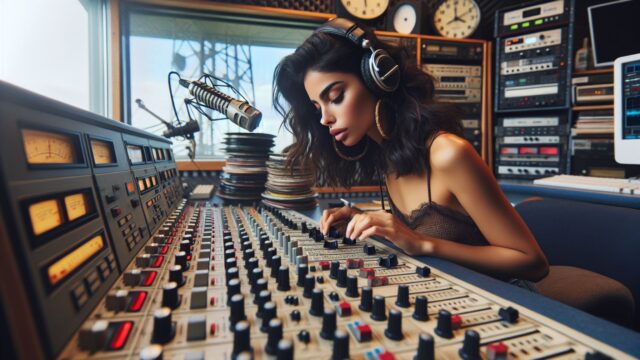
Step two on the traditional path to radio greatness lies in classes about radio production. Yes, as much as we’d love a team of minions – or interns – to do everything for us, knowing the how-to’s of producing is crucial. After all, you don’t want your debut broadcast to be abrupt because you couldn’t find the mute button on the soundboard, would you?
The Left-field Choices
Now that we’ve covered the “so obvious, I cannot believe you’re mentioning it” section, let’s dive into the surprising courses that could catapult your radio career to uncharted heights.
History
Yes, you read that right – history. Remember those somnambulistic lectures from high school about World War II and the Renaissance? Well, they are superb preparation for the radio world. Knowledge of various cultures and eras allows you to relate to any audience – from the ‘why are we still talking about the fifties’ baby boomers to the ‘I think I was born in the wrong decade’ hipsters. More so, understanding human history gives you a broader perspective when discussing social and political issues.
Philosophy
While it may seem counterintuitive, wisdom from Plato and Descartes can actually help aspiring radio hosts. Becoming familiar with deep philosophical questions sharpens your analytical skills, which will come in handy when you are trying to make the 1000th celebrity breakup story sound interesting. Do not underestimate the power of a well-placed Nietzsche quote or the draw of a stimulating debate over the meaning of life at 7 am.
Theatre
‘All the world’s a stage’, and all the men and women merely voices behind a microphone. Theatre classes will teach you performance. They will help you bring the right emotion to your voice, to make your listeners not just hear, but feel. After all, nothing keeps an audience hooked like some good, old-fashioned melodrama.
Sociology
Understanding societal trends can be a boon for the radio business. Your listeners are parts of various social groups, so having an understanding of societal dynamics will help you connect to your audience on a deeper level.
Conclusion
Venturing into the world of radio and broadcast isn’t just about hitting ‘record’ and watching your star rise. It requires a cocktail of technical skills from broadcast and radio production, along with a curious mix of unexpected but enriching classes. Remember, your voice will potentially reach thousands, if not millions. If that does not motivate you to cultivate your knowledge, I don’t know what will.
So, first-years, add that philosophy class you were avoiding, sit through those history lectures, learn the Socio-Psych dynamics and pretend you’re in a dramatic Shakespearean play. It’s all in the name of radio glory, my friends. Now, go forth and conquer the academia for your inevitable radio takeover!