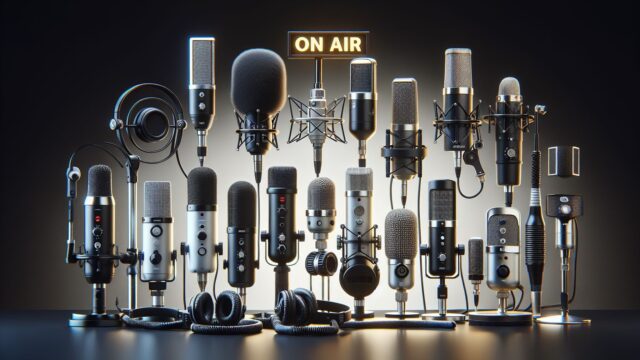
Hello studio owners! As experts in the radio industry, we all know how important it is to have top-quality equipment in order to deliver the best sound to our listeners. One of the most crucial pieces of equipment in any radio studio is the microphone. The microphone serves as the gateway between the spoken word and the listener’s ears, so choosing the right one is vital. In this blog post, we will discuss the best microphones to use in the radio business, ensuring that you have the best tools at your disposal to create top-notch audio content.
When it comes to selecting the ideal microphone for your radio studio, there are a few key factors to consider. The first is the type of microphone. There are several different types of microphones available, each with its own unique characteristics. The most common types of microphones used in radio broadcasting are dynamic microphones, condenser microphones, and ribbon microphones. Dynamic microphones are durable, versatile, and can handle loud sound sources well, making them an excellent choice for radio broadcasting. Condenser microphones are known for their sensitivity and high-quality sound reproduction, making them ideal for capturing subtle nuances in vocals. Ribbon microphones offer a warm and natural sound, making them a popular choice for broadcasting voices.
In addition to microphone type, it is essential to consider microphone polar pattern when choosing a microphone for your radio studio. The polar pattern of a microphone refers to the directionality of sound that the microphone captures. Common polar patterns include cardioid, omnidirectional, and bi-directional. Cardioid microphones are most commonly used in radio broadcasting as they are highly directional and can pick up sound from a single direction, reducing background noise. Omnidirectional microphones capture sound from all directions, making them suitable for capturing ambient noise or group discussions. Bi-directional microphones pick up sound from both the front and back of the microphone, making them useful for interviews or duets.
Now that we have covered the different types of microphones and polar patterns, let’s delve into some specific microphone recommendations for your radio studio. One highly recommended microphone for radio broadcasting is the Shure SM7B. This dynamic microphone is known for its smooth, warm sound and is perfect for capturing vocals. Another popular choice is the Electro-Voice RE20, a dynamic microphone with a cardioid polar pattern that provides excellent sound isolation and eliminates background noise. For those looking for a high-quality condenser microphone, the Neumann U87 is a top-tier option. This microphone delivers superb sound quality and is ideal for capturing detailed vocal performances.
In addition to selecting the right microphone, it is essential to consider the microphone placement in your studio. Proper microphone placement can make a significant difference in the sound quality of your broadcasts. When positioning your microphone, make sure it is placed at the correct distance from the speaker’s mouth to avoid distortion and ensure clarity. Experiment with different microphone placements to find the optimal position for capturing the best sound.
In conclusion, selecting the right microphone is crucial for creating high-quality audio content in your radio studio. By choosing a microphone that suits your needs and meets the demands of radio broadcasting, you can ensure that your broadcasts sound professional and engaging. Consider the microphone type, polar pattern, and placement when choosing a microphone for your studio. Invest in top-quality microphones like the Shure SM7B, Electro-Voice RE20, or Neumann U87 to elevate the sound quality of your radio broadcasts. With the right microphone in hand, you can deliver top-notch audio content that keeps your listeners engaged and coming back for more. Happy broadcasting!