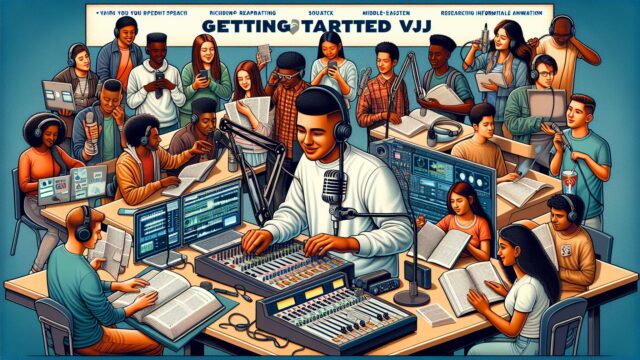
Are you a college student who loves music, has a passion for broadcasting, and enjoys connecting with an audience? If so, becoming a Radio VJ (Video Jockey) may be the perfect fit for you! As a Radio VJ, you will have the opportunity to share your favorite tunes, engage with listeners, and help create a dynamic and entertaining radio show. But how can you get started in this exciting field? Here are some tips to help you kickstart your career as a Radio VJ.
Getting the Right Equipment
To get started as a Radio VJ, you will need to have the right equipment. While many radio stations have their own studios and equipment, it’s a good idea to familiarize yourself with the basics. Invest in a good quality microphone, headphones, and sound editing software. Practice recording yourself speaking and mixing music to get comfortable with the technology.
Developing Your Speaking Skills
As a Radio VJ, your speaking skills are just as important as your music selection. Practice speaking clearly, confidently, and engagingly. Work on your tone of voice, pacing, and delivery. Remember, your goal is to connect with your audience and keep them entertained throughout your show.
Creating a Music Library
One of the most important aspects of being a Radio VJ is curating a music library. Keep up-to-date with the latest music trends, discover new artists, and build a diverse collection of tunes. Consider creating themed playlists for different shows or segments to keep things fresh and engaging for your listeners.
Networking in the Industry
Networking is key in the radio industry. Attend industry events, connect with other Radio VJs, and reach out to radio stations for internship opportunities. Building relationships with industry professionals can help you get your foot in the door and learn from experienced broadcasters.
Gaining Experience
Once you feel confident in your skills and have built up a music library, it’s time to gain some hands-on experience. Look for opportunities to volunteer or intern at local radio stations. You can also create your own radio show online or at your college’s radio station. The more experience you have, the more confident and skilled you will become as a Radio VJ.
Embracing Sound Engineering
Sound engineering is an important aspect of being a Radio VJ. Learn how to use sound editing software to mix music, create sound effects, and ensure a high-quality sound for your show. Understanding sound engineering will not only make your show sound professional but will also set you apart as a skilled Radio VJ.
Conclusion
Becoming a Radio VJ as a college student may seem like a daunting task, but with dedication, practice, and passion, you can kickstart your career in this exciting field. Remember to invest in the right equipment, develop your speaking skills, create a diverse music library, network in the industry, gain hands-on experience, and embrace sound engineering. By following these tips, you’ll be well on your way to becoming a successful Radio VJ. So, put on your headphones, hit play, and start your journey as a Radio VJ today!