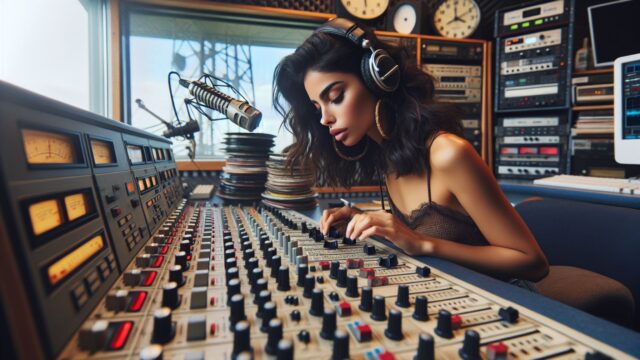
Are you a fan of music and have a passion for entertaining others through the airwaves? If so, becoming a radio DJ might be the perfect career path for you. However, before you can jump behind the microphone and start spinning tunes, there are a few technical skills and requirements you’ll need to master. In this article, we’ll explore what it takes to become a radio DJ, focusing on the technical aspects of the job.
Introduction to Radio DJing
Before diving into the technical details, let’s first define what a radio DJ actually does. A disc jockey, or DJ, is responsible for selecting and playing music for a radio audience. They must have a good understanding of music genres, trends, and audience preferences to keep listeners engaged and entertained. In addition to playing music, DJs often host talk segments, interviews, and contests to further engage with their audience.
Technical Skills Required
To excel as a radio DJ, you’ll need to have a solid understanding of audio equipment, mixing techniques, and broadcasting software. Familiarity with amateur radio operations and technical terminology can also be beneficial. Here are some technical skills required to become a successful radio DJ:
1. Equipment Operation
Radio DJs must know how to operate various audio equipment, such as turntables, CD players, mixers, and microphones. They should be able to cue up songs, create smooth transitions between tracks, and adjust sound levels to ensure a seamless listening experience for the audience.
2. Mixing Techniques
Mixing is a crucial skill for DJs, as it involves blending different songs together to create a coherent and engaging playlist. DJs must have a good ear for music and be able to match tempos, keys, and tones to create seamless transitions between tracks.
3. Broadcasting Software
Many radio stations use broadcasting software to manage playlists, schedule shows, and broadcast live content. DJs must be proficient in using these programs to ensure a smooth and professional on-air performance.
4. Amateur Radio Knowledge
Having a basic understanding of amateur radio operations can be beneficial for radio DJs, as it can help them troubleshoot technical issues, communicate with station engineers, and better understand the inner workings of radio broadcasting.
Getting Started
If you’re interested in becoming a radio DJ, here are some steps you can take to get started:
-
Education: Consider pursuing a degree in broadcasting, communications, or music production to gain a solid foundation in radio operations and technical skills.
-
Internships: Look for internships at local radio stations to gain hands-on experience and make connections in the industry.
-
Practice: Set up your own home radio station or DJ at local events to hone your skills and build a portfolio of work.
-
Networking: Attend industry events, conferences, and workshops to meet other DJs and industry professionals who can help you advance your career.
Conclusion
Becoming a radio DJ requires a combination of technical skills, creativity, and passion for music. By mastering the technical aspects of the job, such as equipment operation, mixing techniques, and broadcasting software, you can set yourself up for success in the exciting world of radio broadcasting. So if you’re ready to take the plunge and pursue a career as a radio DJ, start honing your technical skills and get ready to entertain audiences around the world.