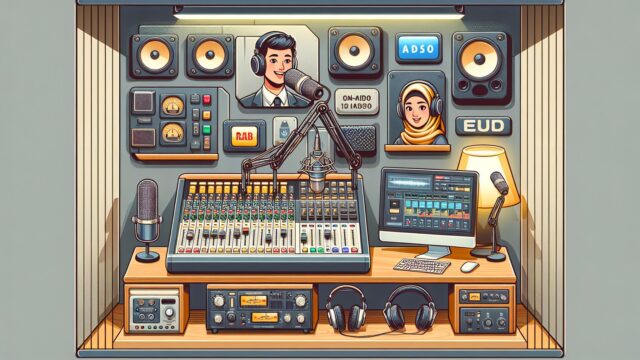
Radio production studios are the heart of any successful radio station, where all the magic happens behind the scenes. As a studio owner, it’s crucial to have a solid understanding of the technology that powers your operation. From mixing consoles to audio processors, each piece of equipment plays a key role in creating high-quality broadcasts. In this article, we will delve into the technology used in radio production studios and how it can enhance your overall production quality.
Mixing Consoles
One of the most essential pieces of equipment in any radio production studio is the mixing console. This central hub allows producers to control and mix multiple audio sources, such as microphones, music tracks, and sound effects. Modern mixing consoles come equipped with features like faders, EQ controls, and effects processing, giving producers the ability to fine-tune their sound. With digital mixing consoles, studio owners can save and recall presets, making it easier to maintain consistent audio quality across different shows.
Audio Processors
Audio processors are another critical component of a radio production studio. These devices help optimize the audio signal, ensuring that broadcasts sound clear and balanced. Compressors, limiters, and equalizers are common types of audio processors used in radio production. Compressors help even out the dynamic range of audio signals, while limiters prevent audio from clipping and distorting. Equalizers allow producers to adjust the frequency response of their audio, enhancing clarity and definition.
Digital Audio Workstations (DAWs)
Digital Audio Workstations, or DAWs, are software applications that allow producers to record, edit, and mix audio tracks. DAWs provide a flexible and intuitive platform for creating radio content, with features like multitrack recording, real-time editing, and plugin support. Popular DAWs like Pro Tools, Adobe Audition, and Audacity offer a range of tools for enhancing audio quality and production efficiency. Integrating a DAW into your radio production workflow can streamline the editing process and help you achieve professional results.
Radio Automation Systems
Radio automation systems automate the scheduling and playback of audio content, allowing producers to pre-program their broadcasts and playlists. These systems can handle tasks like song rotation, commercial insertion, and time signaling, freeing up producers to focus on creating engaging content. Radio automation systems also provide advanced features like live assist modes, logging capabilities, and remote access, giving studio owners greater control over their broadcasts. Integrating a radio automation system into your studio can increase efficiency and ensure a seamless on-air experience.
Studio Monitors
Studio monitors are specialized speakers designed for accurate audio reproduction in a studio environment. These speakers provide producers with a clear and detailed listening experience, allowing them to monitor and evaluate their mixes with precision. Studio monitors come in various configurations, including near-field and midfield monitors, each offering different advantages for critical listening. Investing in high-quality studio monitors can help studio owners identify and correct audio issues before they reach the audience.
Conclusion
In conclusion, the technology used in radio production studios plays a vital role in delivering high-quality broadcasts. Mixing consoles, audio processors, DAWs, radio automation systems, and studio monitors all contribute to the overall production quality and efficiency. Studio owners should stay informed about the latest advancements in audio technology and invest in equipment that suits their specific needs. By understanding and leveraging the power of technology in radio production, studio owners can elevate the listener experience and stay ahead in an ever-evolving industry.