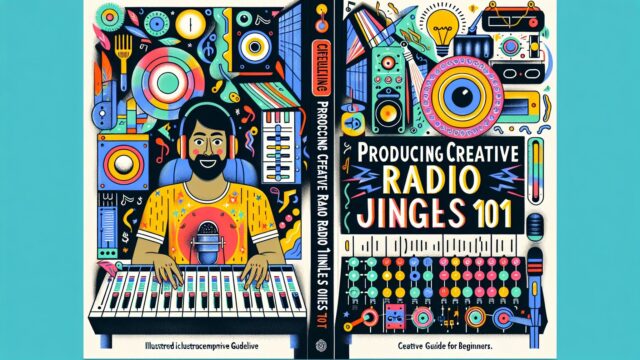
Jingles have been an active part of the radio landscape for decades. These catchy tunes are often used to advertise a product or service, and in some instances, they come to be as recognizable as the product itself. If you’re a young man eager to jump-start your creative journey in amateur radio, then producing 30-second radio spots is for you. But first, you have to understand the basics of producing a radio jingle. This guide is here to get you started.
Understanding Radio Jingles and Their Importance
Radio jingles are short, musically-oriented compositions designed to convey a specific message or a unique sell proposition, punctuated with repetition to ensure they stick. These 30-second radio spots can enhance a product’s appeal, thus becoming an effective marketing tool.
In the broad spectrum of marketing, the auditory stimuli offered by radio jingles can effectively capture the audience’s attention, instilling an unforgettable impression about the brand. The radio is a unique medium, given that listeners often partake in other activities while listening. As a result, catchy jingles in amateur radio provide a brilliant way to break through the daily clutter of noise and reach the audience.
Essential Elements of a Radio Jingle
Every great jingle possesses key elements that make it unforgettable. First, your jingle should be unique and memorable. This could mean using an original tune or a distinct voiceover that listeners can associate with your brand.
Second, your jingle should be simple. The audience should be able to grasp the message quickly and effortlessly. Simplicity enhances memory retention, which is crucial if you want your listeners to recall your 30-second radio spot next time they encounter your brand.
Lastly, your jingle should communicate the central message or unique selling proposition of your product/service unmistakably. Lyrics should be creatively woven around this central message to create lasting impressions.
Basics of Producing a Radio Jingle
Here is a simple step-by-step guide to take you through basic jingle production:
-
Start with a Concept: Develop a clear concept for your jingle that summarizes the brand’s value proposition. Invest quality time into brainstorming and generating ideas around your product/service.
-
Craft Your Lyrics: Once your concept is clear, start penning down lyrics that succinctly articulate your concept. The lyrics should be catchy, straightforward, and aimed at highlighting the distinctive characteristics of your brand.
-
Compose Your Music: With the lyrics ready, turn your focus to the tune. This could be an original score or an adaptation of an existing tune (ensure you avoid copyright issues). The music should set the appropriate mood for your message and, of course, be catchy.
-
Gather Your Equipment: For amateurs, a computer, a quality microphone and a digital audio workstation (DAW) software will suffice for jingle production. There are a plethora of DAW options available; your choice should align with your budget and technical expertise.
-
Perform and Record: With your lyrics, music, and equipment set, the next step is performing and recording the jingle. Depending upon your skills, you can either perform all the elements (vocals and music) yourself, or hire professionals.
-
Edit and Mix: After recording, use your DAW software to edit out errors, adjust volumes, and add sound effects as necessary. This stage a crucial juncture in ensuring your final product is polished and professional.
-
Test: Once your jingle is complete, test it with a small audience to get feedback. Make any necessary tweaks prior to airing.
Wrapping Up
Producing a catchy radio jingle, especially in the field of amateur radio, requires a fusion of creativity, branding insight, and technical expertise. These 30-second radio spots could become the defining identity of the product or service they promote, making them pivotal in any marketing strategy.
Remember, practicing and refining your craft will only lead to improvement over time. Start small, keep learning and soon, you could be the creator of the next unforgettable radio jingle.