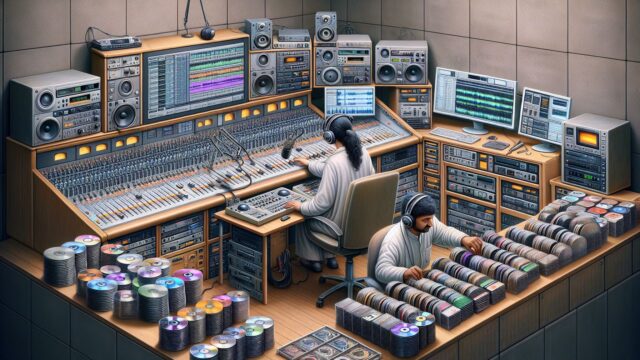
If there’s one industry that’s continually shaped and transformed by technological advancements, it’s the dynamic world of radio broadcasting. This article analyzes the key technological components of modern-day radio production that enable Disk Jockeys, commonly known as DJs, to entertain, engage, and captivate audiences worldwide.
The Rise of Automation in Radio Production
One of the most influential technological advancements in radio production is the development of automation software. Automation, essential in the broadcasting industry, allows DJs to control the playout of pre-recorded music, advertisements, and other audio content, reducing human intervention to a minimum.
High-end software suites like RCS Zetta, WideOrbit, and ENCO DAD offer comprehensive automation capabilities, enabling a seamless flow of content, accurate timing, and error-free broadcasts. Advanced algorithms also enable predictive behavior, adjusting the playlist to meet targeted durations or to maintain consistency in programming.
Digital Audio Workstations (DAW)
Audio production in the world of radio has evolved dramatically with the advent of Digital Audio Workstations (DAWs). DAWs provide DJs with powerful tools for audio recording, editing, and mastering. Applications such as Pro Tools, Ableton Live, and Logic Pro X have revolutionized audio production, offering incomparable speed, flexibility, and quality compared to older analog techniques.
Importantly, software plugins for DAWs can emulate the warm, rich sound of classic analog devices, giving DJs incredible creative freedom. The power to manipulate audio characteristics like tone, tempo, and pitch enables DJs to create unique signature sounds, contributing significantly to a radio station’s brand identity.
Mixing Consoles
No DJ booth would be complete without a professional-grade audio mixing console. These devices serve as the nerve center for radio productions, allowing DJs to control audio levels, route signals, and blend multiple audio sources into a harmonious whole.
Modern mixing consoles like the Axia iQx AoIP and the Yamaha Rivage PM10 offer advanced features like motorized faders, onboard digital effects, and multi-touchscreen interfaces. Integrating these consoles with DAWs and automation systems enables an unprecedented level of control and finesse in managing live and pre-recorded content.
Broadcasting Processors
To ensure that radio broadcasts always sound their best, professional DJs use broadcasting processors. These advanced hardware units condition the audio signal before it heads out to the transmitter. They regulate the overall volume, enhance quiet passages, suppress loud ones, and apply equalization to create a smooth, compelling sound that can hold its own in any listening environment.
Innovations in Transmission
Today, the majority of commercial radio stations broadcast digitally using HD Radio or DAB+ technology. Digital broadcasting offers benefits like superior audio quality, reduced noise and interference, and the ability to transmit additional information like song titles and artist names. Moreover, Internet Radio offers DJs an opportunity to reach a global audience.
Conclusion: The Future of Radio
Modern radio may be miles away from the days of turntables and reel-to-reel tapes, but at its core lies the same goal: sharing music, disseminating information, and telling stories that connect with listeners. The rapidly evolving technology in radio production only amplifies these capacities, offering DJs ever-more sophisticated tools to refine their craft and broaden their reach.
In an increasingly digital and interconnected world, the role of the DJ remains as relevant as ever. The tools and technologies at their disposal ensure that radio will continue to evolve, adapt, and thrive in the years to come. The magic of radio has always been, and continues to be, a dialog between the DJ and the listener, a sentiment shared across the world whenever a radio station is tuned in.