So You Want to Be a Radio Star? The Unlikely College Classes You Need

Ah, the radio, the grandparent of Netflix, Instagram, and TikTok. You’re a brave one, aren’t resistant to the techno revolution, you are! With your vintage souls and weird fascination for sound over pictures, I salute you, future rulers of the radio business. The world needs more cerebral crime dramas and too-honest pop culture podcasts.

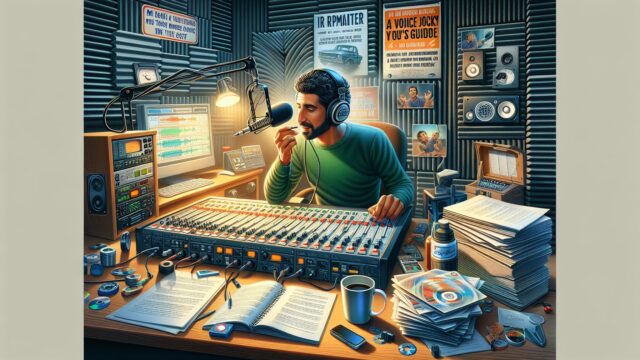
But, before you’re the next big thing in radio programming, you must learn the art of broadcast and radio production. Sounds daunting, right? Worry not; stalwart guide through the academic wilderness has arrived – which is code for “me.” So, strap in, buckle up, as we journey into the wordy wilderness which is ‘what classes to take for a career in radio.’

The Expected Path

Before diving into the wonderfully bizarre, let’s discuss the obvious. First on the checklist is none other than a broadcasting class – shocker, right? Here you’ll learn the basics of the business, threading the thin line between an informative talk-show host and a human iteration of a caffeinated parrot.

Step two on the traditional path to radio greatness lies in classes about radio production. Yes, as much as we’d love a team of minions – or interns – to do everything for us, knowing the how-to’s of producing is crucial. After all, you don’t want your debut broadcast to be abrupt because you couldn’t find the mute button on the soundboard, would you?

The Left-field Choices

Now that we’ve covered the “so obvious, I cannot believe you’re mentioning it” section, let’s dive into the surprising courses that could catapult your radio career to uncharted heights.

History

Yes, you read that right – history. Remember those somnambulistic lectures from high school about World War II and the Renaissance? Well, they are superb preparation for the radio world. Knowledge of various cultures and eras allows you to relate to any audience – from the ‘why are we still talking about the fifties’ baby boomers to the ‘I think I was born in the wrong decade’ hipsters. More so, understanding human history gives you a broader perspective when discussing social and political issues.

Philosophy

While it may seem counterintuitive, wisdom from Plato and Descartes can actually help aspiring radio hosts. Becoming familiar with deep philosophical questions sharpens your analytical skills, which will come in handy when you are trying to make the 1000th celebrity breakup story sound interesting. Do not underestimate the power of a well-placed Nietzsche quote or the draw of a stimulating debate over the meaning of life at 7 am.

Theatre

‘All the world’s a stage’, and all the men and women merely voices behind a microphone. Theatre classes will teach you performance. They will help you bring the right emotion to your voice, to make your listeners not just hear, but feel. After all, nothing keeps an audience hooked like some good, old-fashioned melodrama.

Sociology

Understanding societal trends can be a boon for the radio business. Your listeners are parts of various social groups, so having an understanding of societal dynamics will help you connect to your audience on a deeper level.

Conclusion

Venturing into the world of radio and broadcast isn’t just about hitting ‘record’ and watching your star rise. It requires a cocktail of technical skills from broadcast and radio production, along with a curious mix of unexpected but enriching classes. Remember, your voice will potentially reach thousands, if not millions. If that does not motivate you to cultivate your knowledge, I don’t know what will.

So, first-years, add that philosophy class you were avoiding, sit through those history lectures, learn the Socio-Psych dynamics and pretend you’re in a dramatic Shakespearean play. It’s all in the name of radio glory, my friends. Now, go forth and conquer the academia for your inevitable radio takeover!
The Unforeseen Benefits of Radio Advertising for Digital Marketers

In the age of rapid technological advancement, digital marketing strategies have dominated the business world. Be it social media marketing, search engine optimization, or Email marketing, digital technologies have become the go-to platforms for promoting brands. However, amidst the digital revolution, the importance of traditional marketing methods like radio advertising is often overlooked. Despite being an old-school method, radio advertising has demonstrated its undying efficacy and numerous benefits, especially for digital marketers.

In this piece, we will unravel the benefits of radio advertising for digital marketers, highlighting how it can boost your digital marketing efforts and corroborate your comprehensive marketing strategy.

The Power of Radio Advertising

Gone are the days when radio was only synonymous with in-car entertainment. Today, with the advent of internet radio and online streaming services, radio has witnessed a significant digital transformation. We’re not just talking about music, but also podcasts, talk shows, news broadcasts, and of course, radio ads.

Radio advertising brings a unique blend of frequency and selectivity that enhances your digital marketing strategy. It offers extensive geographical reach and market penetration, enabling your brand to engage with local cultures and consumer behaviors. This form of advertising also ensures immediacy, and considering the increasing number of online radio listeners, it can deliver quick results.

For instance, consider a 30-second radio spot, skillfully designed with impactful sound design and scripting. This short, crisp ad, brimming with creativity, can resonate with listeners, driving them to your website or social media platforms.

Tangible Benefits for Digital Marketers

  1. Enhanced Brand Recall: A well-crafted radio ad, combined with strategic repetition across broadcast hours, fosters high-level Brand Recall. Users are more likely to recollect your brand and explore it further on digital platforms. Plus, the power of sound and voice in radio advertising adds an emotional touch that can build a memorable brand image in the potential customer’s mind.

  2. Target Audience Segmentation: You can easily target a specific demographic based on the radio station or program where your ad is aired. If a digital campaign aims to engage a distinct age group or geographic location, radio advertising can segue effectively with that digital strategy.

  3. Cross-promotion and Integration: Radio ads can comfortably complement other digital media campaigns. For example, you can use a radio ad to promote social media hashtags, website URLs, or even contests running on digital media.

  4. Cost-efficiency: Compared to television or some forms of digital advertising, radio advertising is relatively cost-effective. On a per spot basis, radio ads are cheaper, allowing for frequency that aids brand recall, customer engagement, and ultimately, conversions.

  5. Credibility and Trust: Radio personalities have a substantial influence on their listeners, and this trust translates to radio advertising. Endorsements or mentions by popular hosts during shows can instantly boost your brand’s credibility, driving users to explore your brand digitally.

Positioning Radio Advertising in Your Digital Marketing Strategy

The key is to create a harmonious blend of radio advertising and digital marketing. Utilize radio spots to drive traffic to your websites or social media platforms. A slight prompt in your radio ad about an ongoing sale on your website or an exclusive behind-the-scenes on your Instagram can significantly boost online engagement.

Moreover, employ sound design strategically. The soundscapes you create for your radio ads should echo in your digital ad narratives, forging a smooth link between different campaign environments.

Brands can also use Quick Response (QR) codes in their outdoor or print advertising, which listeners can scan to instantly access a website or social media platform mentioned in a radio ad.

Conclusion

While digital marketing’s advent has massively transformed the marketing landscape, it hasn’t diminished the effectiveness of traditional marketing methods like radio advertising. As digital marketers, tapping into radio advertising’s potential can offer cost-effective, far-reaching, and impactful ways to promote your brand.

Ultimately, an integrated marketing approach harnessing both digital tools and traditional channels like radio advertising will deliver a comprehensive and robust marketing strategy. By doing so, you not only broaden your reach but also deepen the engagement with your target audience.

Unlock the Airwaves: Benefits of Local Radio Ads for College Students

Welcome budding marketers and advertising enthusiasts! Let’s delve into a little-explored realm of marketing—local radio ads. More specifically, we’ll explore why college students should consider investing in local radio advertisement as an effective means of establishing a marketing foothold.

A Foothold in the Airwaves

To kick things off: yes, in the age of digital and social media, radio advertising is still relevant. It’s an effective medium that reaches broad audiences daily, even with the rise of new media. Nielsen reports that 92% of adults listen to the radio weekly, wielding a higher reach than TV or smartphones.

For college students seeking to extend reach for a product, business or event, local radio advertising holds several advantages.

Cost-Effective Advertising

Compared to other media platforms like TV or print, radio spots are easy on the pocket. For budget-constrained college students, it means more bang for the buck. Advertising on local radio stations offers a cost-effective way to reach local audiences, without chewing through your savings.

A Wider Audience

Local radio stations enjoy loyal listenership spanning broad demographics, including the coveted 18-34 college crowd. No need to tailor your message for different social media platforms, just craft one compelling radio spot and go for it!

Creative Freedom

Unlike visual mediums constrained by space or print, radio advertising embraces creative freedom. College students can let their imagination run wild: jingles, humour, narratives, radio offers it all in an audio format. You can leave a lasting impression with a well-crafted, memorable radio ad.

Fostering Community Ties

Buying local radio spots can help college students establish a sense of connection and community. By becoming a radio advertiser, you engage more directly with local audiences. They hear your ad and become more aware of you, your product, or your event. You aren’t just a student at the local college; you become an integral part of the local scene.

All About the Airwaves

Now that we’ve established why you’d want to advertise on the radio, let’s touch on how to achieve the best results. Remember, success in radio advertising lies in the strength of your message and the quality of your audio production.

When developing your radio spot, focus on capturing attention from the get-go. Broadcast must break through the noise of daily commutes, work, and yes, sometimes even those social media notifications. Craft a catchy headline, followed by a clear, compelling message.

In terms of audio production, quality is essential. Remember, your ad will be contending with chart-topping songs and popular radio hosts, so make it sound good. Hire a professional voice talent that suits your brand and message, invest in good music and sound effects, and pay attention to the pacing. A well-produced ad can enhance credibility and impact, trouncing competitors in the minds of listeners.

The Final Soundwave

Local radio advertising offers a world of benefits to college students, from affordable pricing to wide reach, creative freedom and a chance to foster local ties. It’s a cost-effective tool to get your message out, engage with the audience, and make a mark in the local community. With a compelling script and good-quality audio production, you too can unlock the power of the airwaves.

So next time you’re brainstorming marketing strategies, remember to tune into local radio advertisement. Given its wide spectrum of benefits, it just might turn out to be your broadcast of choice.

Let’s continue to explore and experiment in the world of advertising. Keep those creative juices flowing, and happy marketing!

The Best Microphones for Your Radio Business

Hello studio owners! As experts in the radio industry, we all know how important it is to have top-quality equipment in order to deliver the best sound to our listeners. One of the most crucial pieces of equipment in any radio studio is the microphone. The microphone serves as the gateway between the spoken word and the listener’s ears, so choosing the right one is vital. In this blog post, we will discuss the best microphones to use in the radio business, ensuring that you have the best tools at your disposal to create top-notch audio content.

When it comes to selecting the ideal microphone for your radio studio, there are a few key factors to consider. The first is the type of microphone. There are several different types of microphones available, each with its own unique characteristics. The most common types of microphones used in radio broadcasting are dynamic microphones, condenser microphones, and ribbon microphones. Dynamic microphones are durable, versatile, and can handle loud sound sources well, making them an excellent choice for radio broadcasting. Condenser microphones are known for their sensitivity and high-quality sound reproduction, making them ideal for capturing subtle nuances in vocals. Ribbon microphones offer a warm and natural sound, making them a popular choice for broadcasting voices.

In addition to microphone type, it is essential to consider microphone polar pattern when choosing a microphone for your radio studio. The polar pattern of a microphone refers to the directionality of sound that the microphone captures. Common polar patterns include cardioid, omnidirectional, and bi-directional. Cardioid microphones are most commonly used in radio broadcasting as they are highly directional and can pick up sound from a single direction, reducing background noise. Omnidirectional microphones capture sound from all directions, making them suitable for capturing ambient noise or group discussions. Bi-directional microphones pick up sound from both the front and back of the microphone, making them useful for interviews or duets.

Now that we have covered the different types of microphones and polar patterns, let’s delve into some specific microphone recommendations for your radio studio. One highly recommended microphone for radio broadcasting is the Shure SM7B. This dynamic microphone is known for its smooth, warm sound and is perfect for capturing vocals. Another popular choice is the Electro-Voice RE20, a dynamic microphone with a cardioid polar pattern that provides excellent sound isolation and eliminates background noise. For those looking for a high-quality condenser microphone, the Neumann U87 is a top-tier option. This microphone delivers superb sound quality and is ideal for capturing detailed vocal performances.

In addition to selecting the right microphone, it is essential to consider the microphone placement in your studio. Proper microphone placement can make a significant difference in the sound quality of your broadcasts. When positioning your microphone, make sure it is placed at the correct distance from the speaker’s mouth to avoid distortion and ensure clarity. Experiment with different microphone placements to find the optimal position for capturing the best sound.

In conclusion, selecting the right microphone is crucial for creating high-quality audio content in your radio studio. By choosing a microphone that suits your needs and meets the demands of radio broadcasting, you can ensure that your broadcasts sound professional and engaging. Consider the microphone type, polar pattern, and placement when choosing a microphone for your studio. Invest in top-quality microphones like the Shure SM7B, Electro-Voice RE20, or Neumann U87 to elevate the sound quality of your radio broadcasts. With the right microphone in hand, you can deliver top-notch audio content that keeps your listeners engaged and coming back for more. Happy broadcasting!

Unlocking the Secrets of Radio Frequencies: Transmitting Audio for Artists

As an artist, the quality of your audio is crucial to your success. Whether you’re recording music in a studio, performing live on stage, or collaborating with other artists, understanding how audio is transmitted via radio frequencies can elevate your work to new heights. In this article, we will explore the intricate world of radio frequencies and how they impact the transmission of audio for artists.

Understanding Radio Frequencies

Radio frequencies are used to transmit audio signals over the airwaves. These frequencies are measured in Hertz (Hz), with each frequency corresponding to a different range of audio signals. The radio frequency spectrum is divided into various bands, each serving a specific purpose. For artists, the most commonly used bands are FM (Frequency Modulation) and AM (Amplitude Modulation).

Transmission of Audio

When audio is transmitted via radio frequencies, it is first converted into an electrical signal. This signal is then modulated onto a carrier wave – a high-frequency signal that carries the audio information. In FM transmission, the audio signal changes the frequency of the carrier wave, while in AM transmission, the audio signal changes the amplitude of the carrier wave. This modulation process is crucial in ensuring the fidelity and clarity of the transmitted audio.

Broadcast Services

Broadcast services play a crucial role in transmitting audio to a wide audience. Whether you’re tuning in to your favorite radio station or live streaming a concert, broadcast services use radio frequencies to deliver high-quality audio to listeners. These services rely on advanced technology and sophisticated equipment to ensure a seamless transmission of audio signals. As an artist, partnering with a reputable broadcast service can help you reach a larger audience and showcase your talent to the world.

Streaming Services

In today’s digital age, streaming services have revolutionized the way audio is transmitted. Platforms like Spotify, Apple Music, and SoundCloud allow artists to upload their music and reach a global audience instantly. These streaming services use the internet to transmit audio signals, bypassing traditional radio frequencies. While streaming services offer unparalleled reach and accessibility, artists must ensure that their audio is of the highest quality to captivate listeners and stand out in a crowded marketplace.

Maximizing Audio Quality

As an artist, it is essential to prioritize audio quality in all aspects of your work. From recording and mastering your music to performing live on stage, the clarity and fidelity of your audio can make or break your career. By understanding how radio frequencies impact the transmission of audio, you can ensure that your music reaches your audience in the best possible way.

Conclusion

Radio frequencies play a vital role in transmitting audio for artists. By harnessing the power of FM and AM bands, as well as partnering with broadcast and streaming services, artists can share their music with the world and connect with fans on a profound level. As technology continues to evolve, artists must stay informed about the latest advancements in audio transmission to stay ahead of the curve. Remember, your audio is your voice – make sure it’s heard loud and clear.

Unlocking the Secrets of Radio Frequencies in Recording Studios

In the world of audio recording, radio frequencies play a crucial role in how sound is transmitted from one point to another. Understanding how radio frequencies work and their impact on audio quality is essential for any recording studio looking to produce professional-grade recordings. In this article, we’ll delve into the technical aspects of radio frequencies and explore how they are utilized in recording studios.

What are Radio Frequencies?

Radio frequencies are electromagnetic waves with frequencies ranging from a few hertz to hundreds of gigahertz. These frequencies are used for various purposes, such as communication, broadcasting, and navigation. In the context of recording studios, radio frequencies are used to transmit audio signals wirelessly from microphones, instruments, or other audio sources to recording equipment.

Transmission of Audio Signals

When it comes to transmitting audio signals in a recording studio, radio frequencies play a key role in ensuring a smooth and uninterrupted flow of sound. This is particularly important when recording live performances or interviews, where any interference or dropout in the audio signal can have a significant impact on the final recording.

One common use of radio frequencies in recording studios is for wireless microphones. Wireless microphones use radio frequencies to transmit audio signals from the microphone to a receiver, which is then connected to the recording equipment. This allows performers to move freely around the studio without being tethered to a fixed microphone, providing greater flexibility and mobility during recording sessions.

Podcasting and 30-Second Radio Spots

To illustrate the importance of radio frequencies in recording studios, let’s consider the example of podcasting. Podcasts have become increasingly popular in recent years, with many individuals and organizations using them as a platform to share information, entertainment, and storytelling. When recording a podcast, clear and crisp audio is essential to engage listeners and maintain their attention.

By using radio frequencies to transmit audio signals wirelessly, podcasters can achieve high-quality sound recordings without being limited by cables or other physical constraints. This allows podcasters to focus on delivering engaging content, knowing that the audio quality of their recordings will meet professional standards.

Another example where radio frequencies come into play is in the creation of 30-second radio spots. These short audio advertisements are often used by businesses to promote products or services on radio stations. Radio frequencies are used to transmit these audio spots from the recording studio to the radio station’s broadcasting equipment, ensuring that the message reaches the intended audience clearly and effectively.

Conclusion

In conclusion, radio frequencies are a critical component of audio transmission in recording studios. By understanding how radio frequencies work and their impact on audio quality, recording studios can achieve high-quality sound recordings that meet professional standards. Whether it’s recording a podcast, creating a radio spot, or capturing a live performance, the use of radio frequencies enables recording studios to produce compelling and engaging audio content.

Next time you step into a recording studio, take a moment to appreciate the technological marvel of radio frequencies and how they have transformed the way we capture and transmit sound. By harnessing the power of radio frequencies, recording studios can continue to push the boundaries of audio production and deliver exceptional results for their clients and listeners alike.

#The Wacky World of Engineering Sound for Radio: A Hilarious Career Choice for Young Men

Welcome, young men of the audio world, to the wild and wacky world of engineering sound for radio! If you have a passion for music, technology, and all things sound-related, then this might just be the perfect career path for you. But beware, dear reader, for this career is not for the faint of heart. It requires patience, precision, and a great sense of humor. So buckle up, put on your headphones, and let’s dive into the madness that is engineering sound for radio.

The Delightfully Chaotic World of Radio

Ah, radio. The medium that has been entertaining audiences for decades. From the classic radio plays of the past to the modern-day talk shows and music stations, radio has a little something for everyone. And behind the scenes of all this magic is the sound engineer, working tirelessly to ensure that every sound coming through the airwaves is crisp, clear, and oh so delightful.

But what exactly does a sound engineer do, you ask? Well, my dear reader, they are responsible for a whole host of tasks, from setting up microphones and mixing boards to creating sound effects and jingles. It’s a job that requires both technical know-how and a creative flair, making it the perfect career for the young man who wants to combine his love of technology with his passion for music.

The Art of Podcasting

Now, let’s talk about podcasting. The hottest trend in audio entertainment, podcasts have taken the world by storm in recent years. And who do you think is behind all those crisp sound effects and smooth transitions? That’s right, the sound engineer! Podcasting requires a whole different set of skills compared to traditional radio, with a focus on storytelling and creating a unique listening experience for the audience.

So, if you’ve got a knack for storytelling and a love of all things audio, then podcasting might just be the perfect career for you. Just imagine, getting to work on your own show, creating soundscapes that transport listeners to another world. It’s a dream job for any young man with an imagination as wild as mine!

The Magic of Sound Jingles

And let’s not forget about sound jingles. Those catchy little tunes that get stuck in your head for days on end. Creating jingles is a true art form, requiring a keen ear for melody and rhythm. But once you’ve nailed it, there’s nothing more satisfying than hearing your jingle play on the radio for all the world to hear.

So, dear reader, if you’ve got a flair for music and a love of all things audio, then engineering sound for radio might just be the career for you. It’s a job that will challenge you, inspire you, and make you laugh until your sides ache. So why not give it a try? Who knows, you might just find yourself on the airwaves, creating magic for the masses.

In Conclusion

In conclusion, engineering sound for radio is a career like no other. It’s a job that will test your skills, push your creativity, and make you laugh until you cry. So if you’re a young man with a passion for music, technology, and all things sound-related, then this might just be the perfect career path for you. So what are you waiting for? Put on those headphones, crank up the volume, and let’s make some magic together in the wacky world of radio sound engineering.

What to Expect Working in the Radio Business: A Voice Jockey’s Guide

If you’ve always dreamt of working in the radio business as a voice jockey, then you’re in for a thrilling and dynamic career. The world of radio has a unique charm and excitement that you won’t find anywhere else. However, it’s important to understand what to expect when embarking on this journey. In this blog post, we’ll explore the ins and outs of working in the radio business as a voice jockey, from the exciting opportunities to the challenges you may face.

The Exciting Opportunities

As a voice jockey in the radio business, you’ll have the opportunity to connect with an audience in a way that few other professions can. Your voice will be heard by thousands, if not millions, of listeners, who will tune in to hear your witty banter, interesting stories, and captivating personality. Whether you’re hosting a morning show, an evening drive-time program, or a late-night talk show, your voice will be the bridge between the listener and the content.

One of the most exciting aspects of working in the radio business is the creative freedom it offers. As a voice jockey, you’ll have the chance to create engaging and entertaining content, develop unique segments, and interact with guests and listeners in a way that reflects your personality and style. From conducting interviews to hosting live events, the opportunities for creativity are endless.

The Challenges You May Face

While working in the radio business can be incredibly rewarding, it also comes with its fair share of challenges. One of the major challenges you may face as a voice jockey is the pressure to consistently deliver engaging and entertaining content. In an industry that is constantly evolving and highly competitive, staying relevant and captivating can be a daunting task.

Another challenge you may encounter as a voice jockey is the irregular and demanding schedule. Radio stations operate 24/7, which means you may be required to work early mornings, late nights, and weekends. This can take a toll on your personal life and require a high level of commitment and dedication to your craft.

Thriving in the Radio Business

Despite the challenges, there are many ways to thrive in the radio business as a voice jockey. One key to success is honing your craft and continuously improving your skills. Whether it’s working on your delivery, refining your interviewing techniques, or learning new production skills, investing in yourself and your abilities will set you apart from the competition.

Networking is also essential in the radio business. Building relationships with industry professionals, connecting with other voice jockeys, and collaborating on projects can open up new opportunities and help you grow your career. By attending industry events, joining professional organizations, and staying active on social media, you can expand your network and increase your visibility in the industry.

Podcasting is another avenue for voice jockeys to explore in the radio business. With the rise of digital media, podcasts have become a popular medium for delivering audio content to listeners. By creating your own podcast, you can showcase your voice, personality, and creativity to a wider audience and attract new opportunities in the industry.

To succeed in the radio business, you must also be adaptable and open to new experiences. The industry is constantly evolving, and being willing to learn, grow, and embrace change will ensure that you stay relevant and competitive in the field.

Conclusion

Working in the radio business as a voice jockey is a thrilling and dynamic career that offers endless opportunities for creativity, connection, and growth. While there are challenges to navigate, with dedication, perseverance, and a passion for the craft, you can thrive in this exciting industry. By honing your skills, building relationships, exploring new avenues like podcasting, and staying adaptable, you can carve out a successful and fulfilling career as a voice jockey in the radio business.

So, if you’re ready to embark on this exhilarating journey, embrace the excitement, challenges, and opportunities that come with working in the radio business as a voice jockey. Your voice has the power to captivate, entertain, and inspire listeners around the world – so go ahead and make your mark in the world of radio.

[Audio jingle: Tune in to the waves of radio and let your voice be heard!]

Remember, the radio business is waiting for your voice – so step into the studio, grab the mic, and let the magic begin.

So You Want to Be a Radio DJ: The Technical Side of Disc Jockeying

Are you a fan of music and have a passion for entertaining others through the airwaves? If so, becoming a radio DJ might be the perfect career path for you. However, before you can jump behind the microphone and start spinning tunes, there are a few technical skills and requirements you’ll need to master. In this article, we’ll explore what it takes to become a radio DJ, focusing on the technical aspects of the job.

Introduction to Radio DJing

Before diving into the technical details, let’s first define what a radio DJ actually does. A disc jockey, or DJ, is responsible for selecting and playing music for a radio audience. They must have a good understanding of music genres, trends, and audience preferences to keep listeners engaged and entertained. In addition to playing music, DJs often host talk segments, interviews, and contests to further engage with their audience.

Technical Skills Required

To excel as a radio DJ, you’ll need to have a solid understanding of audio equipment, mixing techniques, and broadcasting software. Familiarity with amateur radio operations and technical terminology can also be beneficial. Here are some technical skills required to become a successful radio DJ:

1. Equipment Operation

Radio DJs must know how to operate various audio equipment, such as turntables, CD players, mixers, and microphones. They should be able to cue up songs, create smooth transitions between tracks, and adjust sound levels to ensure a seamless listening experience for the audience.

2. Mixing Techniques

Mixing is a crucial skill for DJs, as it involves blending different songs together to create a coherent and engaging playlist. DJs must have a good ear for music and be able to match tempos, keys, and tones to create seamless transitions between tracks.

3. Broadcasting Software

Many radio stations use broadcasting software to manage playlists, schedule shows, and broadcast live content. DJs must be proficient in using these programs to ensure a smooth and professional on-air performance.

4. Amateur Radio Knowledge

Having a basic understanding of amateur radio operations can be beneficial for radio DJs, as it can help them troubleshoot technical issues, communicate with station engineers, and better understand the inner workings of radio broadcasting.

Getting Started

If you’re interested in becoming a radio DJ, here are some steps you can take to get started:

  1. Education: Consider pursuing a degree in broadcasting, communications, or music production to gain a solid foundation in radio operations and technical skills.

  2. Internships: Look for internships at local radio stations to gain hands-on experience and make connections in the industry.

  3. Practice: Set up your own home radio station or DJ at local events to hone your skills and build a portfolio of work.

  4. Networking: Attend industry events, conferences, and workshops to meet other DJs and industry professionals who can help you advance your career.

Conclusion

Becoming a radio DJ requires a combination of technical skills, creativity, and passion for music. By mastering the technical aspects of the job, such as equipment operation, mixing techniques, and broadcasting software, you can set yourself up for success in the exciting world of radio broadcasting. So if you’re ready to take the plunge and pursue a career as a radio DJ, start honing your technical skills and get ready to entertain audiences around the world.

How to Get Started as a Radio VJ for College Students

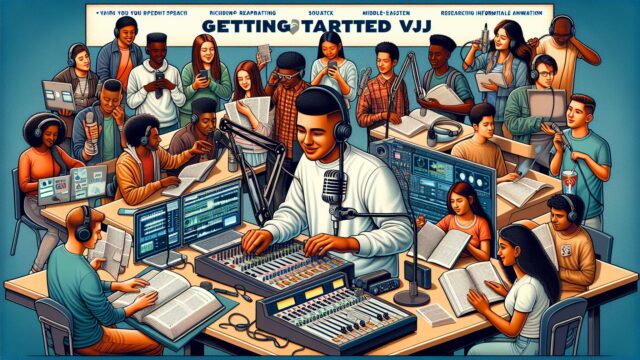
Are you a college student who loves music, has a passion for broadcasting, and enjoys connecting with an audience? If so, becoming a Radio VJ (Video Jockey) may be the perfect fit for you! As a Radio VJ, you will have the opportunity to share your favorite tunes, engage with listeners, and help create a dynamic and entertaining radio show. But how can you get started in this exciting field? Here are some tips to help you kickstart your career as a Radio VJ.

Getting the Right Equipment

To get started as a Radio VJ, you will need to have the right equipment. While many radio stations have their own studios and equipment, it’s a good idea to familiarize yourself with the basics. Invest in a good quality microphone, headphones, and sound editing software. Practice recording yourself speaking and mixing music to get comfortable with the technology.

Developing Your Speaking Skills

As a Radio VJ, your speaking skills are just as important as your music selection. Practice speaking clearly, confidently, and engagingly. Work on your tone of voice, pacing, and delivery. Remember, your goal is to connect with your audience and keep them entertained throughout your show.

Creating a Music Library

One of the most important aspects of being a Radio VJ is curating a music library. Keep up-to-date with the latest music trends, discover new artists, and build a diverse collection of tunes. Consider creating themed playlists for different shows or segments to keep things fresh and engaging for your listeners.

Networking in the Industry

Networking is key in the radio industry. Attend industry events, connect with other Radio VJs, and reach out to radio stations for internship opportunities. Building relationships with industry professionals can help you get your foot in the door and learn from experienced broadcasters.

Gaining Experience

Once you feel confident in your skills and have built up a music library, it’s time to gain some hands-on experience. Look for opportunities to volunteer or intern at local radio stations. You can also create your own radio show online or at your college’s radio station. The more experience you have, the more confident and skilled you will become as a Radio VJ.

Embracing Sound Engineering

Sound engineering is an important aspect of being a Radio VJ. Learn how to use sound editing software to mix music, create sound effects, and ensure a high-quality sound for your show. Understanding sound engineering will not only make your show sound professional but will also set you apart as a skilled Radio VJ.

Conclusion

Becoming a Radio VJ as a college student may seem like a daunting task, but with dedication, practice, and passion, you can kickstart your career in this exciting field. Remember to invest in the right equipment, develop your speaking skills, create a diverse music library, network in the industry, gain hands-on experience, and embrace sound engineering. By following these tips, you’ll be well on your way to becoming a successful Radio VJ. So, put on your headphones, hit play, and start your journey as a Radio VJ today!